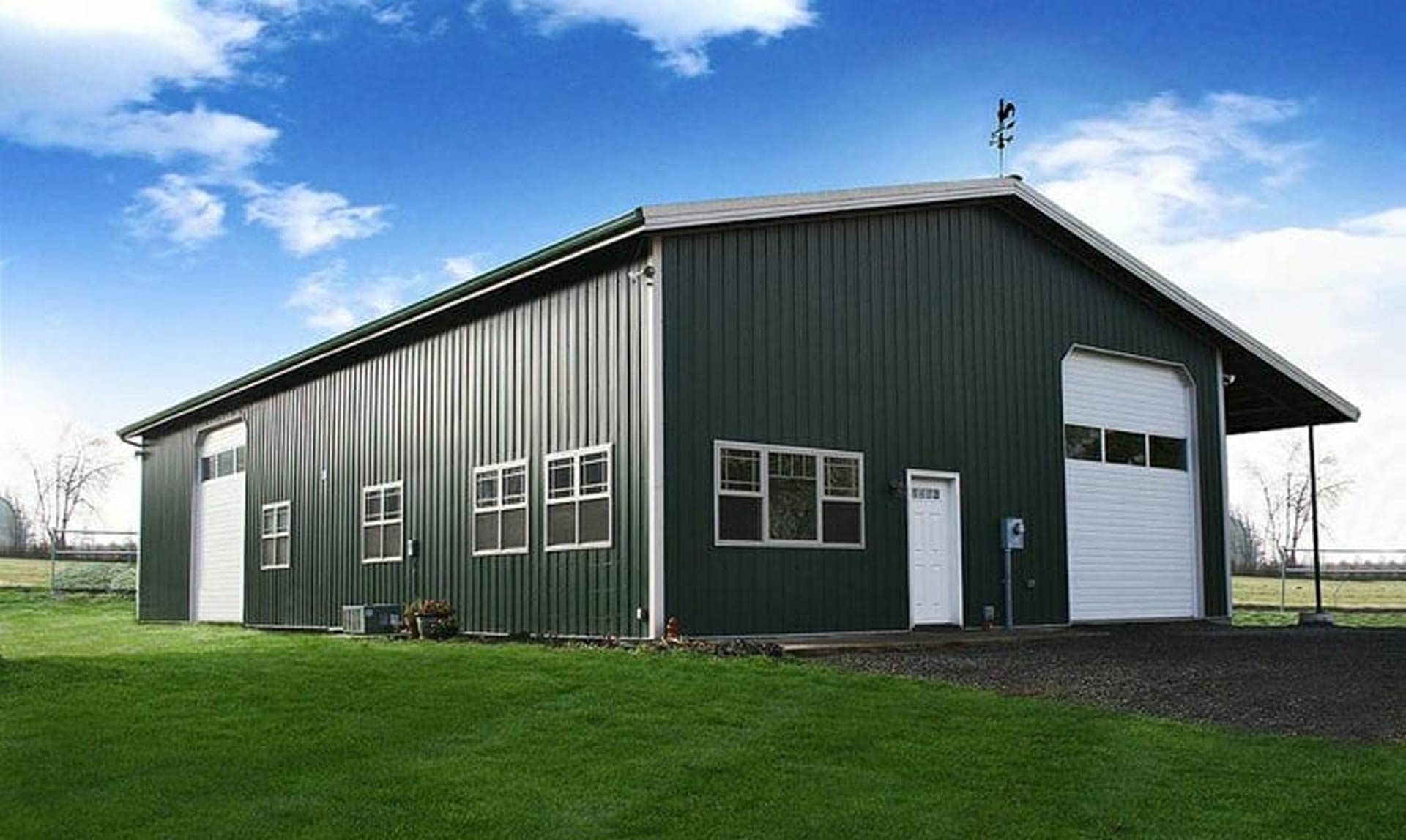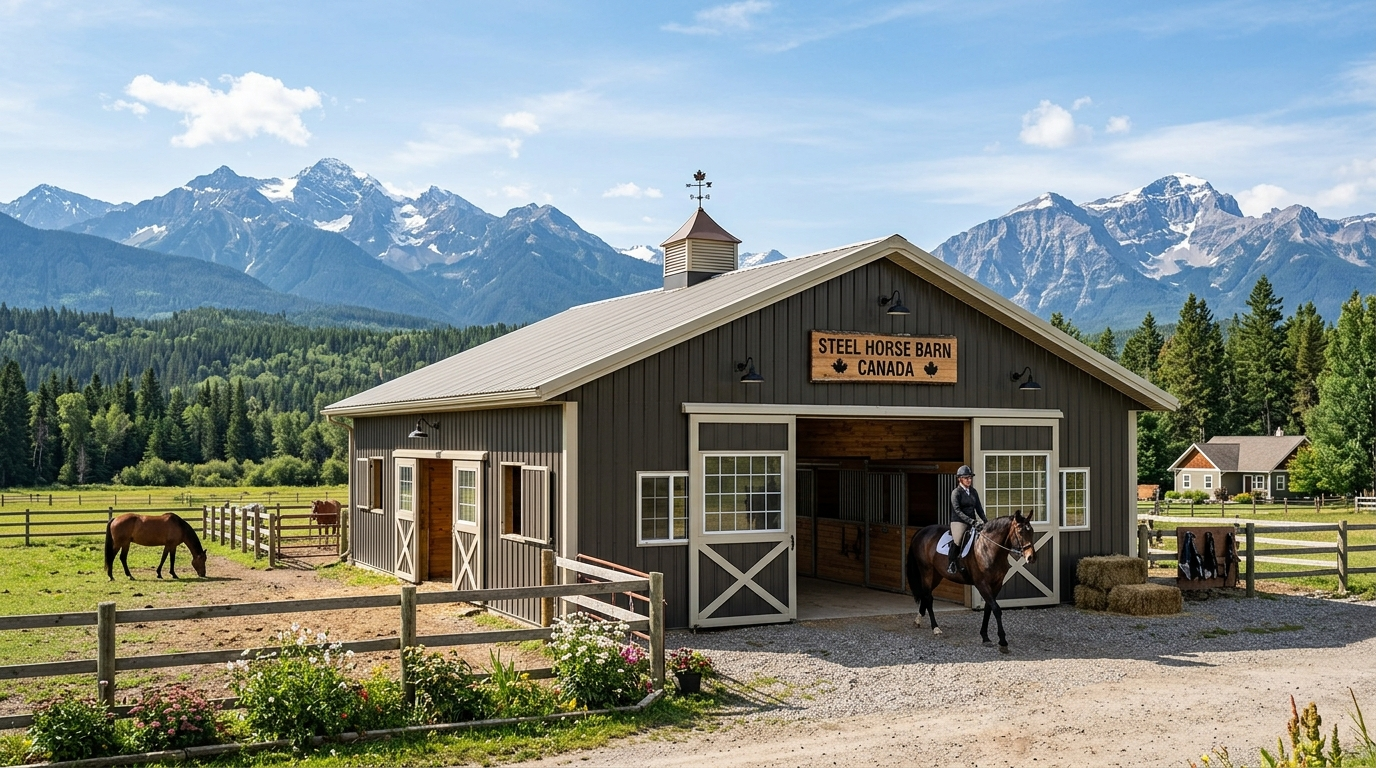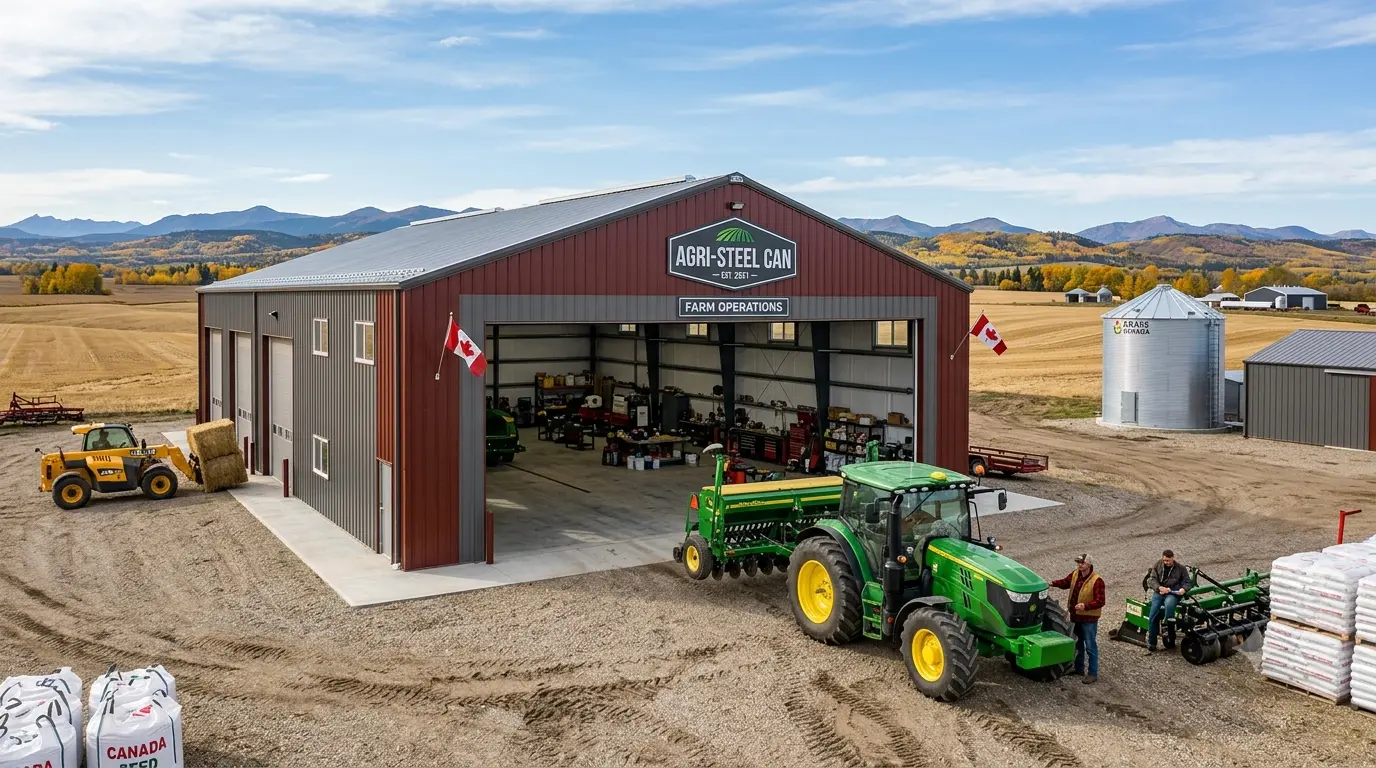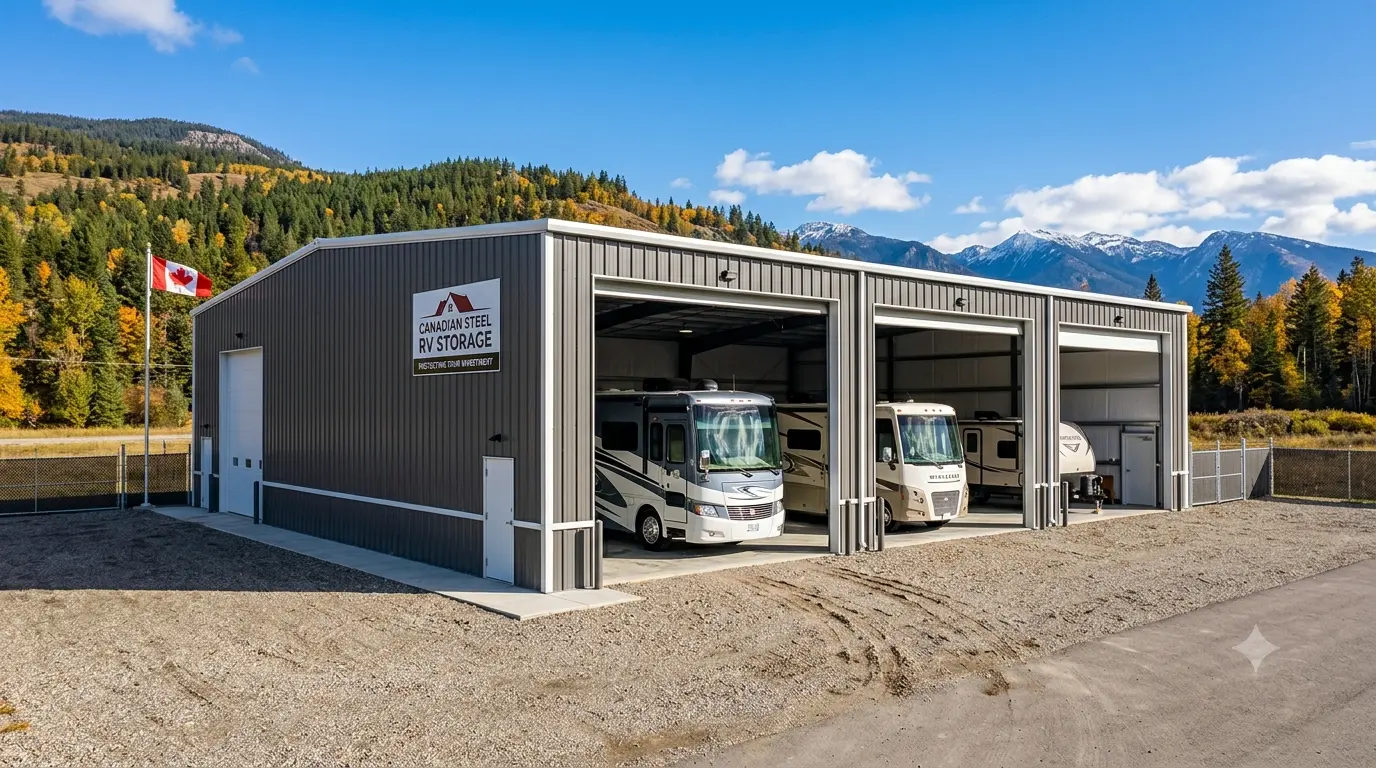

Canadian property owners are shifting toward prefabricated Quonset-style steel garages at an accelerating pace, with contractors from Nova Scotia to British Columbia reporting a surge in inquiries as lumber prices remain volatile and interest rates ease heading into the 2025 construction season.
Steel garage kits in Canada typically run $16 to $35 CAD per square foot installed compared with $40 to $80-plus CAD per square foot for a comparable wood-framed structure, according to industry pricing data compiled by Canadian metal building suppliers. For a standard two-car garage of roughly 56 square metres (600 sq ft), that gap can represent an upfront saving of $15,000 CAD or more.
“Steel arch garages are seeing their strongest residential demand in years,” said Herbert Broderick, CEO of Metal Pro Buildings . “Easing interest rates have unlocked deferred projects, and homeowners who priced out a wood-frame garage two years ago are coming back to find steel is an even stronger value proposition now.”
The arch design at the core of every Quonset structure is also its primary structural argument in Canada’s snow-belt provinces. The curved roof naturally sheds precipitation rather than accumulating it flat, a meaningful advantage where ground snow loads routinely exceed two kilopascals under the National Building Code of Canada. The arch transfers load continuously to the foundation, eliminating interior columns, ridge beams, and the point-load vulnerabilities inherent in flat or gabled roof systems. Clear-span interiors, free of posts or cross-bracing, mean owners use every square metre of the footprint.
Assembly speed distinguishes prefab Quonset kits from stick-built garages. Panels arrive pre-cut and pre-drilled from the factory; a professional crew can close in the shell of a mid-size unit within one to two days once the concrete slab has cured. That compressed schedule reduces on-site labour costs and allows owners to take advantage of the brief construction windows common to Prairie and northern communities. A 30-by-30-metre garage kit, for example, typically lands around $16 to $20 CAD per square foot for the kit alone, excluding foundation and utilities.
Long-term operating costs tilt further toward steel. Wood garages across Ontario, Saskatchewan, and the Maritimes require sealing or painting every few years to resist the freeze-thaw cycling that erodes sheathing and framing. Steel garages generally demand less than $500 CAD per year in routine upkeep, while wood structures can accumulate $2,000 to $4,000 CAD annually in maintenance and repair costs over a 30-year lifespan, according to published comparisons by Canadian building suppliers. Insurance premiums often reflect those risk differences as well, with steel’s fire, wind, and pest resistance yielding rate reductions compared with wood-frame equivalents.
“Clear-span steel garages hold their value particularly well in rural markets where multi-use functionality, vehicle storage, workshop, implement shelter matters more than aesthetics,” Broderick said. Buyers evaluating resale upside note that adding a garage raises residential property value by an estimated 13%, according to research from Florida State University cited in Canadian building industry literature.
The Quonset form traces its modern commercial use to post-war North American manufacturing, when surplus arch-building technology migrated from military logistics into civilian agriculture and industry. In Canada, the arch-style building became a fixture of Prairie farm yards through the latter half of the 20th century before urban and suburban buyers began adopting the profile for hobby garages and home workshops.
The Canadian steel buildings sector has since expanded its standard size range Q-Arch and S-Series profiles now span from roughly six metres to more than 30 metres in width to accommodate the full spectrum of residential and light-commercial garage applications. Galvalume-coated steel panels, now standard across the industry, carry 40-year rust-perforation warranties, extending a building’s economic life well beyond that of most wood alternatives.
Canadian property owners weighing a garage project in the coming construction season should confirm local permit requirements early most provinces require a building permit for any enclosed structure above roughly 10 square metres and should verify that their chosen kit is engineered to the specific snow, wind, and seismic loads listed in the NBC for their municipality before signing a purchase agreement.