
Planning a new shop or warehouse? You keep seeing two choices: I-Beam Framing and Truss Systems.
Most guides just give you boring definitions. But you aren’t building a dictionary. You are building a home for your assets.
The wrong choice leads to sagging roofs and poles that block your way. This guide skips the fluff. We provide a clear roadmap to help you pick the right “bones” for your project.
The “Right Tool for the Job” Matrix
The best frame for your building depends on what happens inside. We look at these systems based on how you plan to use your floor space. This helps you choose the right fit for your specific project and goals.
When a Truss System is “Good Enough”
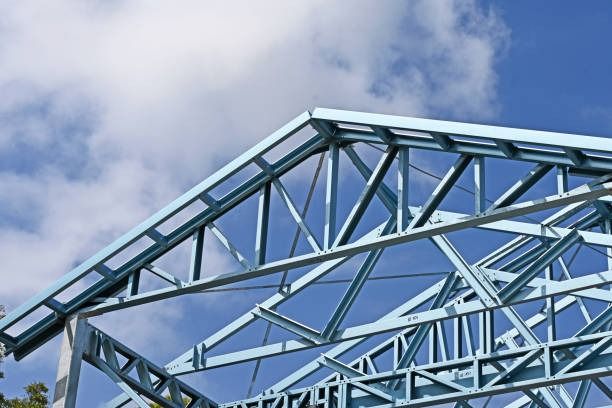
Trusses are like the “standard” version of a building frame. They work well for:
- Small residential garages: A basic 2-car garage doesn’t need heavy steel.
- Simple backyard sheds: If you just need to keep the rain off your mower.
- Tight budgets: When the lowest initial cost is the only thing that matters.
When Metal Pro I-Beam Framing is Non-Negotiable
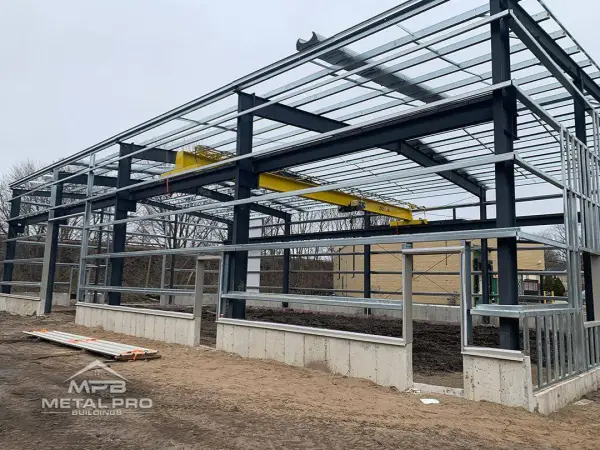
I-beams are for people who want a building that works harder. You need an I-beam if you are:
- The “Heavy Hitter”: You plan to hang a crane or hoist heavy engines. Trusses often snap under that kind of pressure.
- The “Space Seeker”: You need 30 feet or more of open space. I-beams offer Clear Span design. This means no poles are blocking your way.
- The “Legacy Builder”: You want a building that lasts decades with zero maintenance. I-beams don’t rot, warp, or attract termites.
Head-to-Head: The “Life with the Building” Comparison
This table skips the technical jargon. It focuses on what it is like to actually own and use the building every day.
| Feature | I-Beam | Standard Truss Systems |
| Open Space | Maximized. No interior poles or low webs. | Limited. Webs and poles often block space. |
| Heavy Lifting | Ready. Easily supports cranes and hoists. | Risky. Usually needs extra reinforcement. |
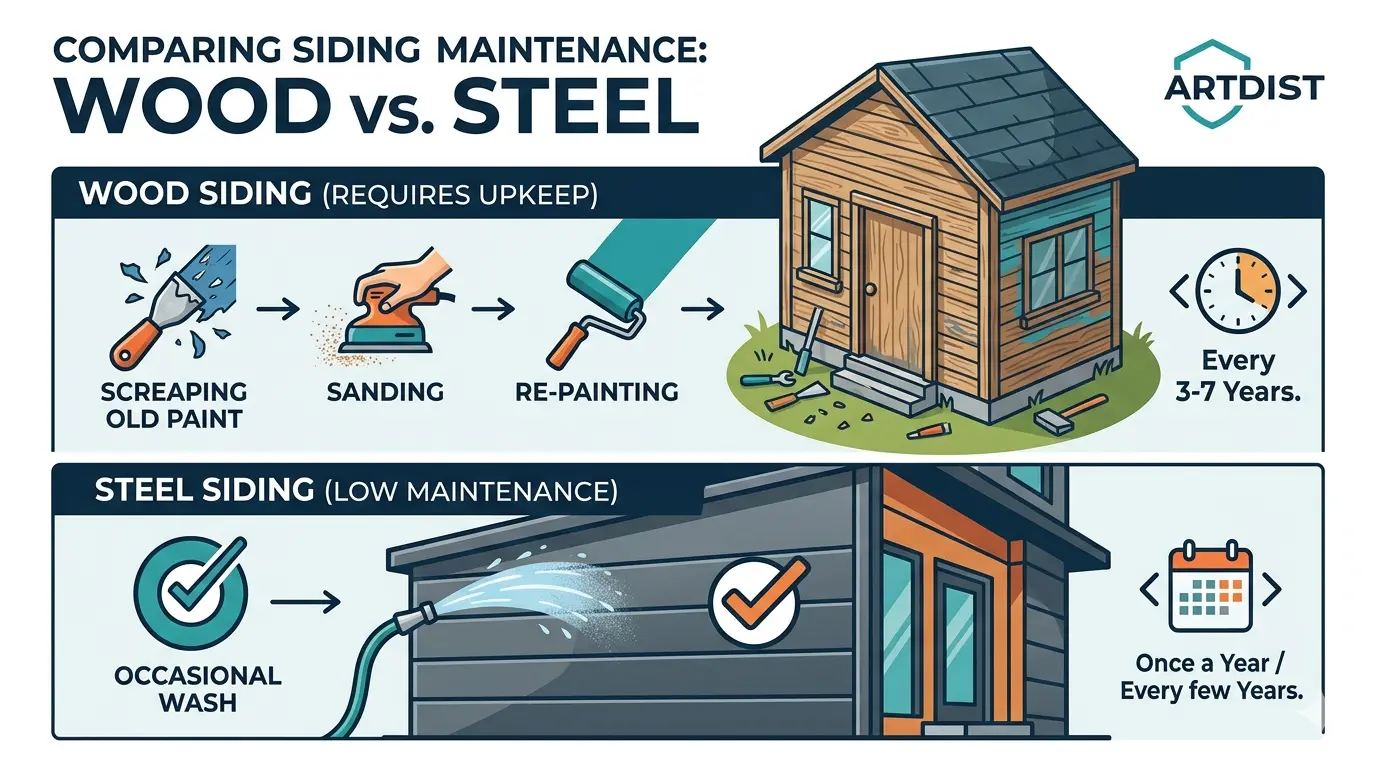
| Maintenance | Zero. Solid steel doesn’t rot or warp. | Periodic. Wood trusses can sag or get pests. |
| Durability | Extreme. Built for 100-year storms. | Moderate. Better for mild climates. |
| Usable Height | Full height. You get more vertical room. | Lower. The truss “web” takes up ceiling space. |
| Assembly | Bolt-together. Pre-cut and fast. | Piece-by-piece. More room for human error. |
Critical Use Cases: Which One Wins?
The “right” choice depends on what you do inside the building. Let’s look at three real-world scenarios.
Scenario A: The Agricultural Mega-Barn
- The Challenge: Storing 15-foot combines, massive tractors, and stacks of hay.
- Why I-Beam Wins: You cannot afford to clip a truss with your expensive machinery. I-beams provide Clear Span space. This means you can drive in and out with zero anxiety. There are no low-hanging “webs” or poles to hit.
Scenario B: The Commercial Warehouse or Flex Space
- The Challenge: Future-proofing for unknown tenants.
- Why I-Beam Wins: A future tenant might need a second floor or a mezzanine. I-beams are engineered to carry these heavy extra loads. Most truss systems are built “just strong enough” for the roof. They often cannot support a second floor later on.
Scenario C: High-Wind or Heavy-Snow Regions
- The Challenge: Avoiding a roof collapse during a “100-year storm.”
- Why I-Beam Wins: An I-beam is a single, massive piece of structural steel. It does not rely on dozens of tiny “plates” and “screws.” When the wind howls or snow piles up, the I-beam stays rigid. It offers much higher peace of mind during extreme weather.
The Metal Pro Edge: Engineering Your Peace of Mind
At Metal Pro, we don’t just sell steel; we sell a system designed for the person who hates doing things twice.
Precision over Parts
Standard truss systems often arrive as a “kit of parts” that requires complex assembly. Our I-beam systems are pre-punched and ready for a “bolt-together” process. This eliminates the human error common with onsite truss building. It’s like putting together a heavy-duty LEGO set; everything fits exactly where it should.
The “Zero Maintenance” Lifestyle
Think of the I-beam as a “buy once, cry once” investment. Unlike wood or light-gauge trusses that can sag, rot, or harbor pests, solid steel remains unchanged for decades. You won’t be climbing ladders to tighten screws or treat for termites in ten years.
Lifestyle Integration
A cleaner I-beam interior doesn’t just look better; it works better.
- Easier Climate Control: Without the “bird nest” of truss webs in your ceiling, it is much simpler to install insulation and HVAC ducting.
- Better Lighting: You can mount high-bay LED lights directly to the beams for a professional, shadow-free shop.
- Pride of Ownership: There is a specific feeling of stepping into a clear-span steel building. It feels like a professional shop you’re proud to show off to friends or clients.
Summary: Stop Comparing Parts, Start Comparing Outcomes
In 2026, the initial quote is just the starting point. Labor costs are rising. Prefab I-beams save money because they assemble much faster. You pay more for the steel now, but you save on crews later.
Your Building is a Skin, Not Just a Skeleton
Your business or hobby deserves a structure that does not limit you. Trusses can feel like a ceiling on your potential. I-beams provide the open space you need to grow. Don’t let the “bones” of your building be its weakest link.
Think about the resale value. A Clear Span building is easier to sell or rent later. It fits almost any use. It is a long-term asset that protects your equipment and your peace of mind.
Ready to Build a Space That Lasts?
Get a Tailored Recommendation Tell us what you’re storing be it an RV, livestock, or business inventory. We will send you the specific engineering specs for an I-beam layout that fits your needs.