
Is your land sitting idle while inflation eats your savings? Many property owners feel stuck with land that produces nothing but weeds. You might be tired of volatile markets and rising costs. You want a steady income that doesn’t require a second job.
RV storage is the “boring” business that is actually a gold mine. It offers passive income and incredible stability. Imagine owning an asset that grows in value while paying for its own construction.
In this guide, I will show you how to design a facility using real 2026 rental projections. You will get a clear blueprint to turn your dirt into a legacy asset. With the right design, your storage units will practically pay for themselves.
Why RV Storage is Canada’s Most Resilient Real Estate Asset
In 2026, the Canadian real estate landscape is a game of “limited space vs. growing lifestyles.” While traditional residential and commercial sectors face volatility, RV and boat storage have emerged as the “Fort Knox” of passive income. For Canadian investors, the resilience of this asset isn’t just about the economy , it’s about the law and the weather.
1. The “Great Canadian Driveway Ban”
Demand in Canada is no longer optional; it’s legally mandated. In 2026, major municipalities like Calgary, Surrey, and Mississauga have tightened bylaws to preserve “neighborhood aesthetics” and “vision triangles.”
- The 36-Hour Rule: In cities like Calgary, you can’t keep an RV on your front driveway for more than 36 consecutive hours.
- Winter Restrictions: Most Canadian cities now strictly prohibit driveway RV parking from November 1 to March 31 to allow for snow clearing and visibility.
- Strata & Condo Blocks: In high-density hubs like Vancouver and the GTA, Strata bylaws and Condo Boards almost universally ban oversized vehicles on common property. Owners have two choices: sell the rig or pay for professional storage.
2. Market Resilience: Stability Amidst the Squeeze
Despite broader economic headwinds, the Canadian RV market remains surprisingly “sticky.”
- Inventory Trends: Canadian wholesale shipments grew by 4% year-over-year entering 2026.
- Younger Demographics: The “Van Life” and “Work-from-Anywhere” movement has shifted from a pandemic fad to a permanent lifestyle for younger Canadians who can’t afford a $1.5M detached home with a backyard, but can afford a $120,000 adventure van.
- The “Luxury Garage” Pivot: High-income households in BC and Ontario are increasingly viewing their RVs as “mobile cottages.” They are willing to pay a premium to protect these six-figure assets from Canadian winters.
3. The 2026 Rental Yield Landscape (Canadian Averages)
The “passive” nature of this asset comes from the high demand-to-supply ratio. In 2026, the scarcity of industrial-zoned land near urban centers has sent rental rates to new heights:
| Storage Type | Monthly Rate (CAD) | Best For |
| Outdoor Gravel Lot | $45 – $140 | Budget trailers, older units (Alberta/Prairies) |
| Covered (Roof Only) | $125 – $275 | Protecting seals from snow/UV (Ontario/BC) |
| Fully Enclosed / Heated | $450 – $2,000+ | Luxury Motorhomes (Vancouver/Toronto Hubs) |
Pro Tip for 2026: In Canada, “Heated Enclosed” is the highest-growth sub-sector. With RVs now packed with sensitive lithium-ion battery systems and complex electronics, owners are terrified of the -30°C deep freeze.
The Financial Blueprint : How to Make the Facility Pay for Itself
Designing a facility that “pays for itself” means your rental income covers your mortgage, taxes, and operating costs while leaving a profit. In 2026, the Canadian market favors owners who provide protection over simple parking.
Step 1 : Determine Your Target Revenue Per Unit
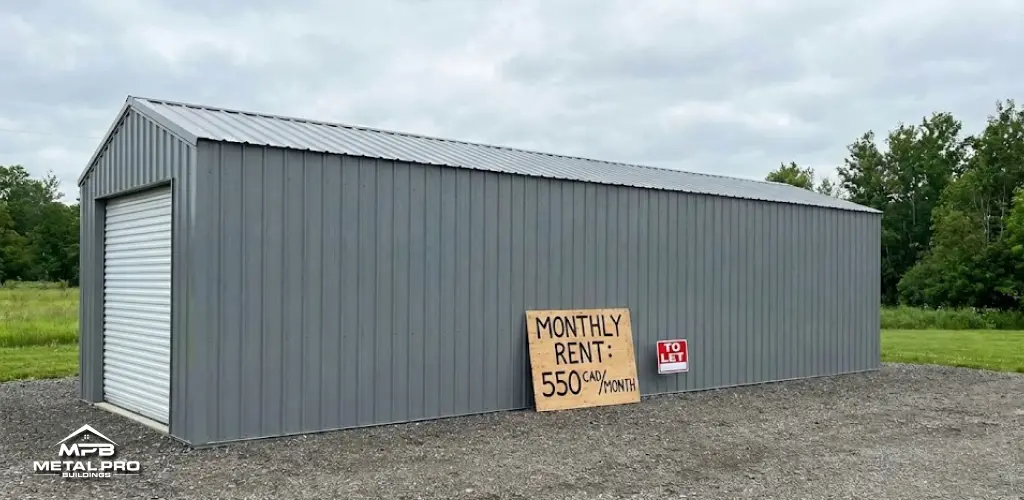
To build a winning model, you must look at 2026 market rates. In high-demand Canadian hubs, owners are moving away from $80 “gravel spots” toward high-margin structures.
- Target Enclosed Unit: 12’ x 40’ (480 sq. ft.)
- Monthly Rent (2026 Est.): $450 – $600 CAD
- Annual Revenue per Unit: $5,400 – $7,200 CAD
By focusing on enclosed or covered units, you can charge 3x more than a simple open lot while using the same amount of land.
Step 2 : Calculate Break-Even Occupancy
Construction costs for steel RV storage in Canada currently range from $55 to $85 per square foot for “turnkey” enclosed buildings.
To find your break-even point:
- Total Build Cost: A 40-unit facility (approx. 20,000 sq. ft.) costs roughly $1.3M – $1.6M CAD.
- Debt Service: At 2026 commercial rates (~5.1%), your monthly payment would be around $7,500 – $9,000.
- Break-Even: You only need about 18 to 22 units (50% occupancy) to cover your bank loan and basic taxes. Everything after that is “found money.”
Step 3 : Design for Maximum Revenue Per Acre
In Canada, land is expensive. You need to maximize every square meter.
- The 50% Rule: Aim for 50% “lot coverage.” On a 1-acre plot (43,560 sq. ft.), you should aim for roughly 21,000 sq. ft. of rentable space.
- Angled vs. Straight: 60-degree angled stalls allow for narrower drive aisles (approx. 30ft). This lets you squeeze in 5-10% more units than traditional 90-degree parking.
Example Pro Forma (2026 Canadian 1-Acre Model)
| Item | Estimated Figure (CAD) |
| Total Units | 40 (Enclosed) |
| Projected Gross Annual Income | $240,000 |
| Operating Expenses (Tax, Ins, Maintenance) | $35,000 |
| Annual Debt Service | $98,000 |
| Net Annual Cash Flow | $107,000 |
Within 12 to 36 months of reaching full occupancy, the facility isn’t just paying for itself , it’s funding your next investment.
Design Decisions That Make or Break Profitability
In 2026, a poorly designed facility is a liability. A smart design, however, ensures your units stay full and your maintenance stays low. In Canada, your biggest design challenges are the weather and local bylaws.
Site Selection & Zoning Considerations
Not all land is created equal for RV storage. You should look for light industrial (M1 or M2) zoning first. These zones usually allow storage without expensive “conditional use” hearings.
- Turning Radii: Modern Class A motorhomes need room to breathe. Ensure your entrance can handle a 50-foot turning radius.
- Setbacks: Check your local “setback” rules early. These are the distances you must keep from property lines.
- Drainage: Canadian winters mean heavy spring runoff. Proper grading and “stormwater ponds” prevent your site from turning into a swamp.
Choosing the Right Building Type
In Canada, you cannot cut corners on structural integrity. Engineered metal buildings are the gold standard for 2026. They are designed to handle specific snow loads based on your exact location.
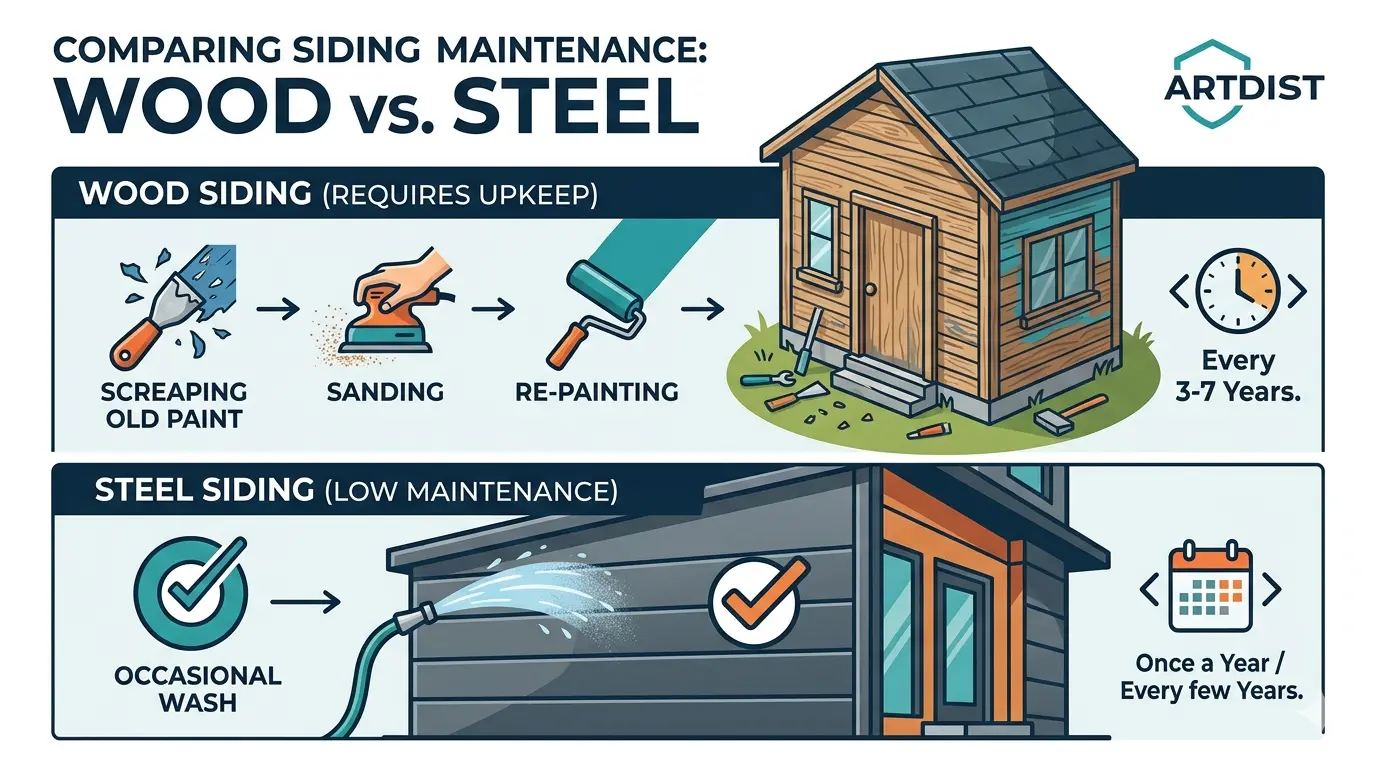
- Durability: Steel doesn’t warp, rot, or attract pests like wood does.
- Speed: These buildings are pre-engineered. This means they go up much faster than traditional construction.
- Insulation: Use high-quality vapor barriers. This prevents “sweating” and rust inside the units during temperature swings.
Layout Optimization for Maximum Rentable Space
Your goal is to fit as many units as possible without making the site hard to use.
- The “Golden Ratio” for Units: Aim for units that are 14 feet wide and 45 to 50 feet deep. This fits almost any modern RV or boat.
- Ceiling Height: You need a minimum of 14 to 16 feet of clearance. This allows for roof-mounted AC units and antennas.
- Drive Aisles: Don’t be stingy here. Provide 45 to 50-foot drive aisles. Owners will pay more for a facility where they won’t hit a wall.
- Security Placement: In 2026, high-def AI cameras are a must. Place them at every “blind spot” and the main gate to lower your insurance costs.
Navigating the “Red Flags” : How to Avoid Costly Mistakes in the Canadian Market
Building an RV storage facility in Canada is a smart play, but it isn’t without its “potholes.” In 2026, small oversights in planning can lead to massive headaches later. Here is how to navigate the most common hurdles.
“What If It Doesn’t Fill?”
The biggest fear for any investor is an empty lot. In 2026, you can’t just “build it and hope for the best.” You need a data-driven approach to ensure 100% occupancy.
- Market Validation: Conduct a local feasibility study. Look at areas with high boat and RV registrations but few storage options.
- Pre-Leasing Strategy: Start your marketing six months before the doors open. Offer “Founding Member” rates to lock in tenants before the concrete is even dry.
- The Phased Build: You don’t have to build 100 units at once. Start with 20. Once they are 80% full, use that cash flow to fund the next phase. This keeps your debt low and your stress levels lower.
Managing Canadian Construction Realities
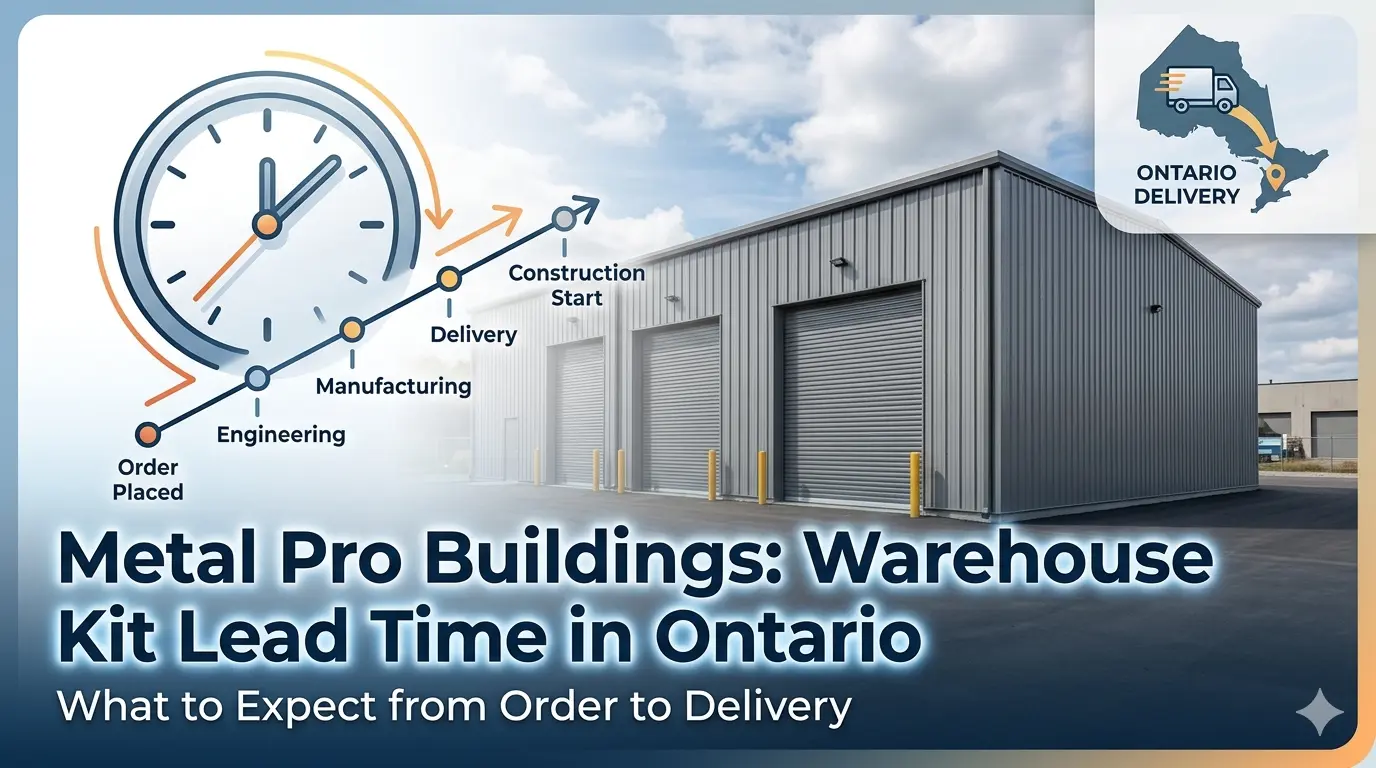
In 2026, weather and supply chains are your two biggest variables. A late start in the spring can mean missing the “peak” storage season in October.
- Lock in Pricing: Work with a provider that offers firm, transparent quotes. This protects you from mid-summer steel price spikes.
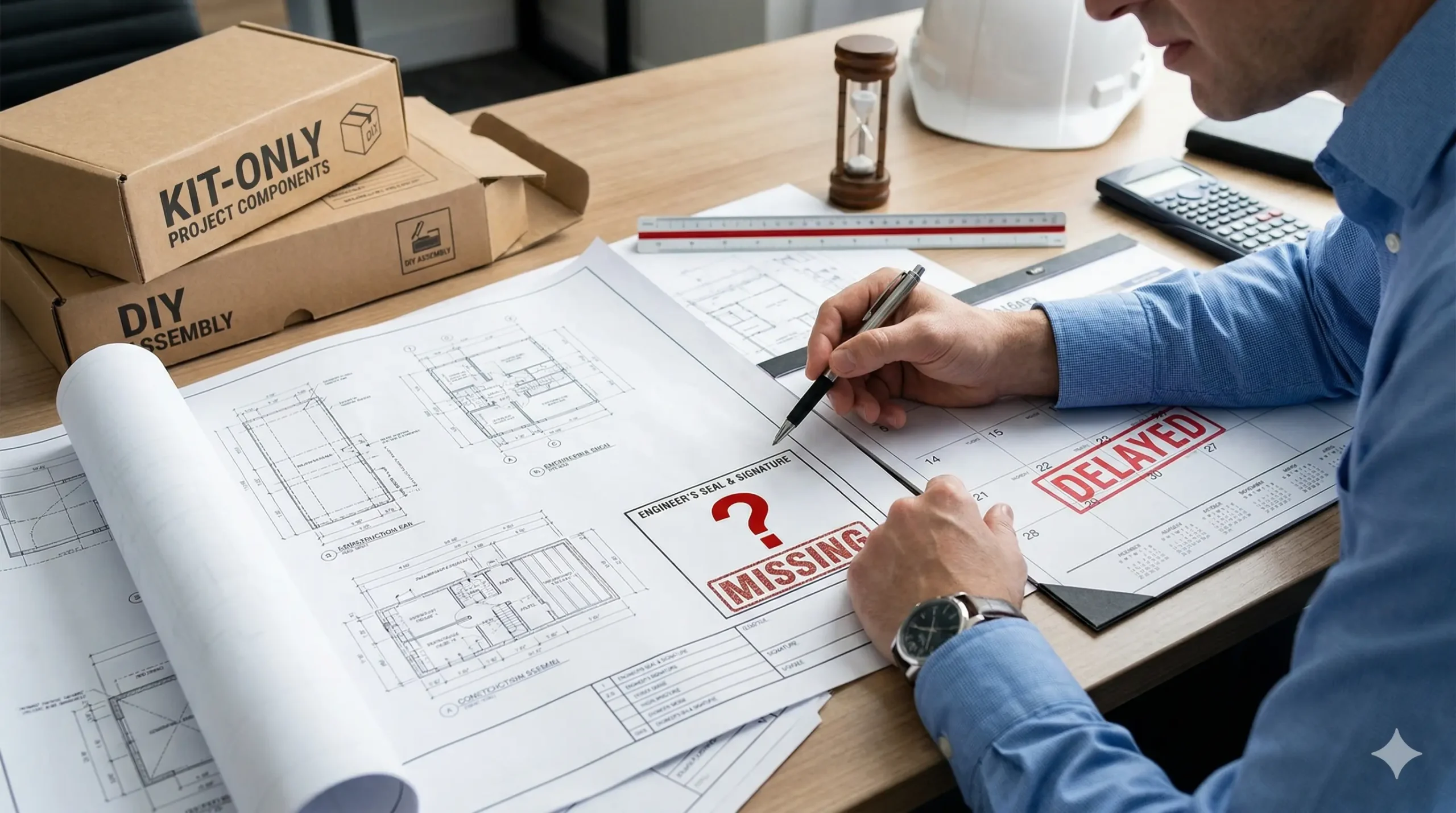
- Single-Source Advantage: Using one company for engineering and supply reduces “finger-pointing” between vendors. It keeps your timeline predictable.
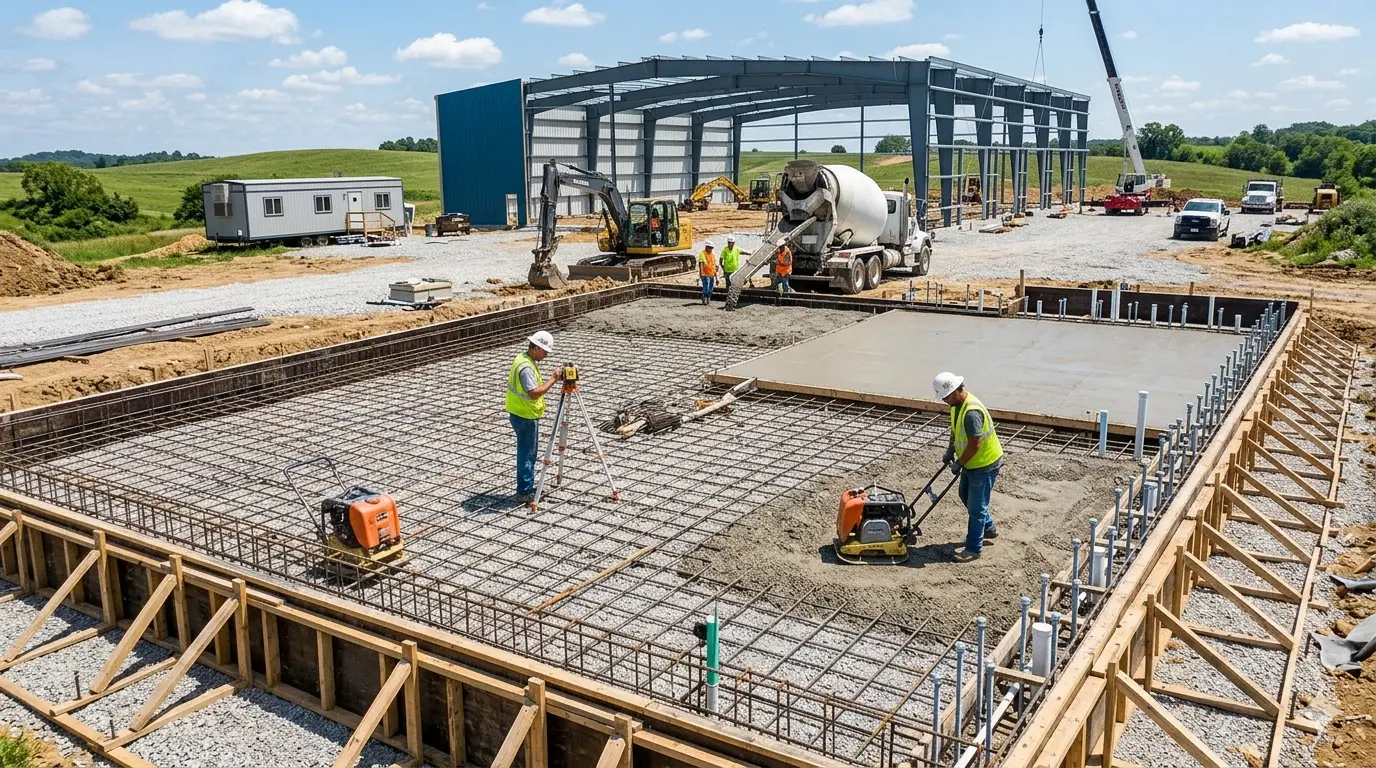
- The Winter Foundation Trap: Avoid pouring concrete in the dead of winter if possible. The heating and hoarding costs can add 20% to your foundation budget. Plan your engineering in the winter so you can hit the ground running in April.
Overbuilding vs. Underbuilding
Finding the “Goldilocks” zone of design is the difference between a 5-year and a 10-year ROI.
- Don’t Go Too “Budget”: A simple gravel lot might be cheap, but it’s easy for a competitor to beat. In 2026, customers want security and protection.
- Match Local Ceilings: If your local market in rural Manitoba won’t pay $600 for climate-controlled storage, don’t build it. However, in the GTA or Lower Mainland, “premium” is the only way to go.
- Security is Non-Negotiable: Even a basic facility needs a “Class A” feel. High-visibility lighting and AI-integrated cameras prevent the thefts that can ruin your facility’s reputation overnight.
Why Smart Investors Choose Engineered Metal RV Storage Buildings
When you are building for the long haul in Canada, your choice of material is the difference between a high-margin asset and a high-maintenance headache. In 2026, pre-engineered metal buildings have become the industry standard for savvy storage investors.
Lower Lifetime Cost of Ownership
While wood might seem cheaper on day one, steel wins the marathon.
- Zero Rot or Pests: Unlike wood, steel doesn’t warp from moisture or attract termites and rodents. In a Canadian climate, this saves you thousands in yearly repairs.
- Fire Resistance: Metal buildings are non-combustible. This doesn’t just protect the RVs , it can lead to insurance premiums that are up to 40% lower than wood-frame structures.
- Longevity: A well-maintained steel facility can easily last 50+ years, maintaining its “curb appeal” and resale value far longer than traditional builds.
Faster Build = Faster Cash Flow
In the storage business, time is literally money. Every month of construction is a month without rent.
- The “Kit” Advantage: These buildings arrive at your site pre-cut and numbered. Assembly is up to 50% faster than traditional “stick-built” construction.
- Winter Readiness: Metal components aren’t affected by the cold the way wood is. You can continue assembly even when the temperature drops, ensuring you don’t miss the spring “move-in” peak.
Designed for the Canadian Winter
Canadian snow loads are no joke. An “off-the-shelf” design from a warmer climate will fail here.
- Custom Engineering: In 2026, companies like Metal Pro Buildings use advanced software to engineer your facility for your specific local snow and wind loads.
- Vertical Roof Sheeting: This design encourages snow to slide off naturally, preventing dangerous ice dams and roof stress.
- Clear-Span Flexibility: Steel allows for massive open spaces without internal pillars. This makes it easy for your tenants to maneuver their 45-foot rigs without hitting a post.
The Metal Pro Difference: By choosing an engineered steel partner, you aren’t just buying a building; you are buying a structure designed to maximize your ROI. From modular designs that allow for future expansion to high-efficiency insulation options, steel is the backbone of a facility that pays for itself.
Lifestyle Impact , More Than Just a Storage Facility
Investing in RV storage in 2026 isn’t just about moving dirt and erecting steel. It is about buying back your time. For many Canadian investors, this facility becomes the “silent partner” that funds their lifestyle while they sleep.
Predictable Monthly Income
Unlike residential rentals, you don’t have to worry about “midnight phone calls” regarding leaky toilets or broken furnaces. RV storage is a low-maintenance asset. Once a tenant is in, they typically stay for years. In 2026, the average stay for an enclosed storage tenant is nearly four times longer than a standard self-storage user.
An Asset That Appreciates
As Canadian cities grow, industrial-zoned land becomes more scarce and valuable. Your facility is a “land bank.” While you collect monthly rent that covers your costs, the underlying land value continues to climb. You are building equity in an asset that is easy to scale or sell as a high-value package to institutional investors.
Peace of Mind and Legacy
There is a unique security in owning a physical, durable asset. Using engineered metal buildings means you aren’t leaving a pile of rotting wood to the next generation. You are creating a “legacy asset” , a business that provides for your family today and becomes a valuable inheritance for tomorrow.
The Freedom Factor: With modern automation, many owners manage their entire 2026 facility from a smartphone. Whether you’re on a golf course in BC or a beach in Mexico, your facility keeps working.
Conclusion: Build It Right. Let It Pay for Itself.
The numbers for 2026 are clear: record RV ownership combined with strict Canadian bylaws has created a “perfect storm” for storage investors. By designing your facility with engineered metal buildings, you aren’t just putting up a fence and a roof , you are building a high-margin, low-maintenance asset that grows in value every year.
Smart design and accurate rental assumptions remove the guesswork. You don’t need to be a developer to create a facility that pays for itself; you just need to start with the right blueprint.
Ready to Turn Your Land Into a 24/7 Income Stream?
Don’t leave your ROI to chance. Whether you’re just starting your feasibility study or you’re ready to break ground, our team at Metal Pro Buildings is here to help you design a facility that works as hard as you do.
Contact a Metal Pro Expert Today , Build for the future. Retire on the results.