
Did you know the metal building industry is worth billions and continues to grow? Everywhere you look, steel structures are replacing traditional wood frames. People want buildings that last a lifetime and cost less to maintain. This shift creates a massive opportunity for new entrepreneurs like you.
Maybe you have thought about starting your own construction business. However, the path forward often feels blurry and overwhelming. You might worry about high startup costs or finding reliable suppliers. It is common to feel stuck before you even begin.
This article is your step-by-step roadmap to success. You will learn how to identify the best local markets. We will cover the legal steps and how to find the right partners. By the end, you will have a clear plan to launch a profitable steel venture.
Phase 1: Market Research and Niche Selection
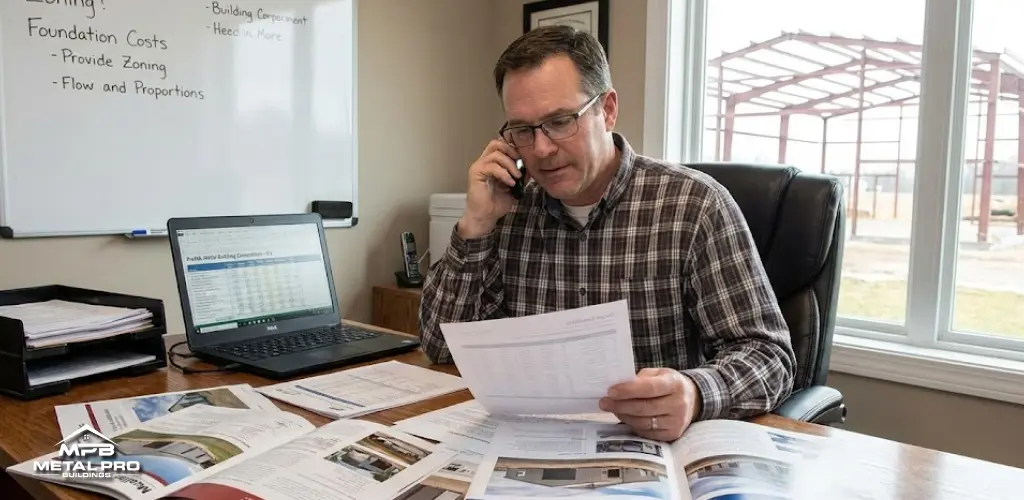
Success begins with a clear plan. You must know what people in your area want. Do they need simple carports? Are they looking for modern “barndominiums”? Identifying these gaps will help you stand out.
Analyzing Local Demand
Start by looking at your local landscape. Drive through rural areas to see if farms are growing. Check industrial zones for new small businesses. High demand often exists where traditional building costs are too high.
Competitor Analysis
Look at other builders in your town. What do they offer, and what are they missing? Maybe they only build large warehouses. You could win by focusing on smaller, custom garages. Find a gap and fill it with your unique services.
Choosing Your Business Model
You have three main ways to enter this market:
- Dealer only: You focus on selling building kits.
- Erector only: Your crew handles the physical installation.
- Full-Service: You design, sell, and build the entire project.
Most beginners start as dealers or erectors. As you grow, you can offer the full package.
Phase 2: Legal Foundations and Business Planning
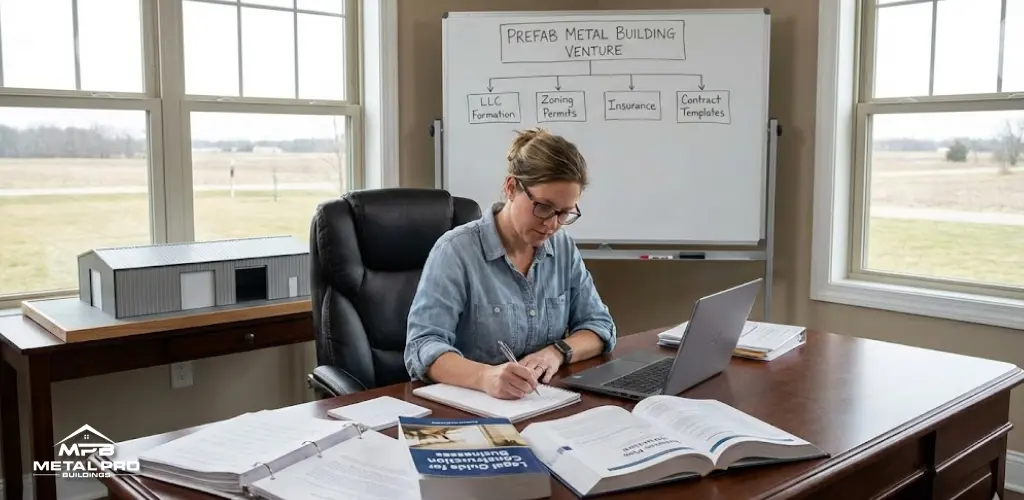
Turning your idea into a real business requires a solid foundation. You need to handle the “boring” paperwork now so you can build without stress later. Think of this phase as pouring the concrete slab for your company’s future.
Drafting a Business Plan
A good business plan is your GPS. It should include your financial goals and how you plan to reach them. List your startup costs, such as tools and marketing. Having a clear plan also makes it much easier to get a bank loan if you need one.
Business Registration
Most Canadian builders choose to incorporate their business. This legal structure provides limited liability, which protects your personal assets like your home or savings if the company faces a lawsuit or debt. It creates a clear legal division between your personal bank account and your business finances, which is vital for your long-term financial safety.
Licensing and Permits
In most places, you will need a General Contractor License. This often involves passing a test about building codes and business law. You also need to learn about local zoning rules. Every city has different laws about how close a building can be to a property line.
Insurance Essentials
Never step onto a job site without insurance. It protects you, your workers, and your customers.
- General Liability: This covers you if someone gets hurt or property is damaged.
- Workers’ Comp: This is required in almost every state to cover employee injuries.
- Inland Marine: This “floaters” insurance covers your expensive tools and materials while they are in your truck or at the site.
Phase 3: Sourcing and Partnership (The Most Critical Step)
In this business, your partner is your lifeline. If your manufacturer is slow or unreliable, your reputation will suffer. Choosing the right supplier is the difference between a thriving business and a failing one.
The Challenge of Supply Chains
Today, steel prices and shipping times can change quickly. A reliable partner helps you navigate these shifts. Without one, you might face delays that frustrate your customers and eat your profits. You need a supplier who has a steady stock and clear communication.
The Benefits of a Dealership Model
Starting as a dealer is often the smartest move for new owners. It lowers your overhead because you don’t need a massive factory. You leverage the brand name and trust of an established company. This allows you to focus on what matters most: selling and serving your community.
Featured Opportunity: Metal Pro Buildings “Become A Builder” Program
One of the best ways to jumpstart your business is through the Metal Pro Buildings “Become A Builder” program. This partnership removes the guesswork from starting out.
- High-Quality Materials: You get access to Galvalume Plus™ steel kits that are built to last.
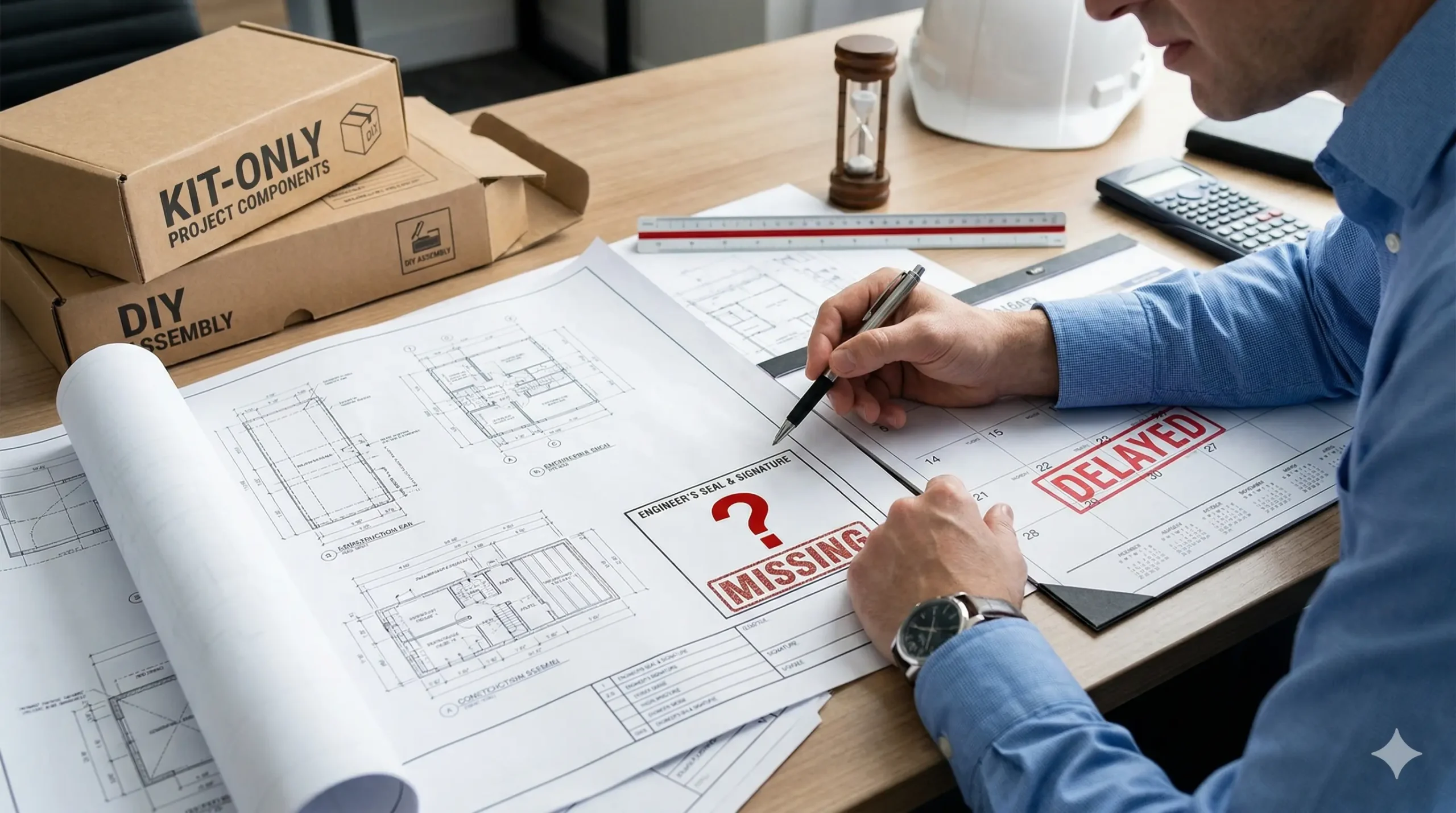
- Engineering Support: They provide the professional drawings you need for local permits.
- Faster Learning: You don’t have to learn everything the hard way; you get expert backing from day one.
- 50-Year Warranty: Offering a 50-year rust warranty gives your customers peace of mind and makes selling easier.
Phase 4: Logistics, Tools, and Equipment
Once you have your partner, you need the right gear. Working with steel requires specific tools that differ from wood building. Having the right equipment makes the job faster and much safer for everyone.
Essential Equipment
You don’t need to buy everything at once. Start with the basics and rent larger machines as needed.
- Hand Tools: You will need high-quality screw guns, impact wrenches, and “nibblers” for cutting metal sheets.
- Lifting Gear: Steel is heavy. You’ll need a forklift or a telehandler to move kits around the site.
- Safety First: Compliance with Provincial Occupational Health and Safety (OHS) standards is mandatory. Invest in CSA-approved fall protection, including sturdy harnesses, safety netting, and hard hats.
- Alignment Tools: Laser levels and chalk lines are vital to ensure your building is perfectly straight.
Hiring a Crew
A great business is only as good as its team. You can start by doing the work yourself or hiring skilled subcontractors.
- Look for Experience: Hire people who have worked with steel before. They understand how metal reacts to heat and cold.
- Prioritize Reliability: In construction, showing up on time is half the battle.
- Safety Culture: Only hire workers who respect safety rules. This keeps your insurance costs low and your team healthy.
Site Management
Good logistics keep your project from turning into a mess. You must plan where materials will sit before the truck arrives.
- Just-in-Time Delivery: Try to have the building kit arrive exactly when you are ready to build. This prevents parts from getting lost or damaged on-site.
- Inventory Checks: Always count your parts as they come off the truck. Missing one special bolt can stop a project for days.
- Clear Paths: Keep the job site clean so equipment like forklifts can move freely.
Phase 5: Marketing and Lead Generation
In 2026, a “digital brochure” website is not enough. To win customers, you must show up exactly when they are searching for answers. Your marketing should prove that you are a local expert who delivers real results.
Building a Digital Presence
Your online home needs to do more than look pretty. It must be optimized for Local SEO so people in your town can find you.
- Google Business Profile: This is your most important tool. Keep it active by posting weekly photos of your projects and responding to every review.
- Local Landing Pages: Create pages on your site specifically for the cities you serve (e.g., “Steel Buildings in [Your City]”).
- Answer Engine Optimization (AEO): People now ask AI tools and voice assistants direct questions. Ensure your website has an FAQ section that answers things like “How much does a metal barn cost?”
Social Media for Contractors
Platforms like Instagram, TikTok, and Facebook are perfect for visual storytelling.
- Show the Process: People love seeing “Before and After” transformations. Don’t just show the finished building; show the site preparation and the steel going up.
- Go Live: Use LinkedIn Live or Instagram to do a quick walk-through of a job site. It builds massive trust when people see your team in action.
- Behind-the-Scenes: Introduce your crew and show your equipment. It makes your brand feel human and relatable.
Traditional Marketing
While digital is huge, local “handshake” marketing still works.
- Job Site Signage: Every project you build is a billboard. Put up a high-quality sign with your phone number and a QR code.
- Local Trade Shows: Set up a booth at county fairs or home and garden shows. These events allow you to meet high-intent buyers face-to-face.
- Networking: Build relationships with local real estate agents and developers. They are often the first to know when someone needs a new outbuilding.
Phase 6: Sales and Customer Service
Closing a sale in the metal building industry isn’t about being a “fast-talker.” It’s about being a problem solver. Your customers are making a big investment, and they need to know you are a reliable guide who won’t disappear after the check clears.
The Consultative Sales Process
Don’t just sell a “box.” Ask questions to understand how the building will be used. A customer asking for a garage might actually need a workshop with specific lighting and insulation.
- Listen First: Ask about their local snow loads, wind speeds, and how many doors they need.
- Be the Expert: Help them navigate tricky parts like building permits and foundation requirements.
- Education over Pressure: Explain why certain steel gauges or roof pitches are better for their specific climate.
Closing the Deal with Technology
In 2026, customers expect to see what they are buying before they sign.
- 3D Design Tools: Use software to build their structure on-screen. Let them pick colors and move windows in real-time. This builds excitement and removes “buyer’s remorse.”
- Transparent Quoting: Provide a detailed breakdown of costs. Clearly state what is included (like the steel and trim) and what isn’t (like the concrete slab or electrical work).
- Financing Options: Offer monthly payment plans. This makes a large project feel much more affordable and helps you close deals faster.
Post-Sale Support and Referrals
Your relationship shouldn’t end when the building is finished.
- The Final Walkthrough: Inspect the building with the customer. Show them how to maintain the doors and check the seals.
- Warranty Management: Provide a folder with all their warranty papers. Explain that their 50-year rust warranty depends on simple maintenance, like keeping gutters clean.
- Ask for the Review: A happy customer is your best marketer. Ask them to leave a Google review or record a 30-second video of their new building.
Conclusion: Take the First Step
Starting a metal building business is a journey from the ground up. You’ve seen the growth of the industry and the clear path to making it your own. From researching your local niche to closing sales with 3D tools, the tools for success are right in front of you.
Don’t let the “what-ifs” hold you back. The demand for durable, eco-friendly steel structures is only getting stronger. By focusing on quality partnerships and honest customer service, you can build a business that lasts as long as the structures you create.
Ready to build your future? The best way to skip the learning curve is to partner with experts who have already paved the way. Gain the engineering support, high-quality kits, and marketing tools you need to hit the ground running.
Apply to the Metal Pro Buildings Become A Builder program today.