
Imagine waking up to four feet of heavy, wet snow on your roof. In places like the Gaspé Peninsula or Newfoundland, this is a yearly reality. One cubic foot of wet snow can weigh as much as a heavy suitcase.
Most “budget” building kits are designed for mild weather. They simply aren’t built for the “weather bombs” of the North. When a roof buckles, it can destroy your tractors, inventory, or even your livelihood.
You deserve a building that offers security, not stress. This guide will show you how we use local climate data to build stronger structures. We will break down the science of snow loads into simple, easy steps.
In this post, you will discover:
- The secret to surviving National Building Code (NBCC) requirements.
- Why the “Arch” shape is the best defense against snow.
- How to prevent rust in salty Atlantic coastal air.
Deciphering the Code: Engineering for the NBCC
Every building in Canada must follow a strict rulebook. This is the National Building Code of Canada (NBCC). Our engineers use these rules to keep you safe.
Understanding Ground Snow Load (Ss)
We start by looking at the Ground Snow Load (Ss). This number tells us how much snow typically sits on the ground in your town. We also add the Rain Load (Sr). This is vital because rain makes snow much heavier.
In Northern Quebec and the Maritimes, these numbers are very high. We use your exact GPS coordinates to get the right data. The core formula we use is:
S = Is [Ss (Cb Cw Cs Ca) + Sr]
The Physics of Snow Accumulation
Snow rarely stays flat on a roof. Wind moves it around, creating Drift Loads. This happens when snow piles up against a peak or a wall. These heavy spots can cause a weak building to buckle.
We also plan for Sliding Loads. This occurs when snow slides from a high roof onto a lower one. Our designs ensure your steel building can handle these heavy “shoves” from Mother Nature.
The Metal Pro Advantage: Engineering “The Arch”
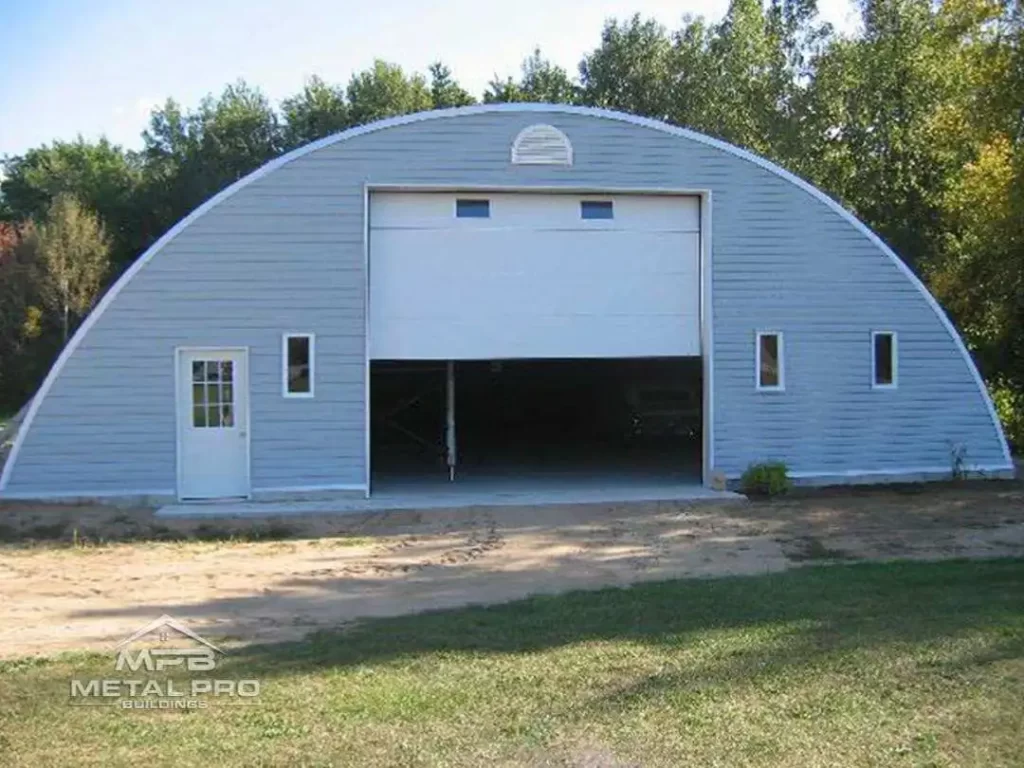
When you look at a building from Metal Pro, you will notice a unique shape. This is called a Quonset arch. It is not just for looks. This shape is one of the strongest designs in the world.
The Strength of Geometry
Traditional buildings have flat or peaked roofs. These shapes allow snow to sit and pile up. The Arch profile is different. Its curved shape naturally helps snow and ice slide right off.
Think of it like a bridge. The arch distributes weight evenly across the entire structure. This means there are no “weak spots” for the snow to break through.
High-Tensile Galvalume Steel
We don’t use basic tin or aluminum. Our buildings are made from High-Tensile Galvalume Steel. This is a premium metal coated with a mix of aluminum and zinc.
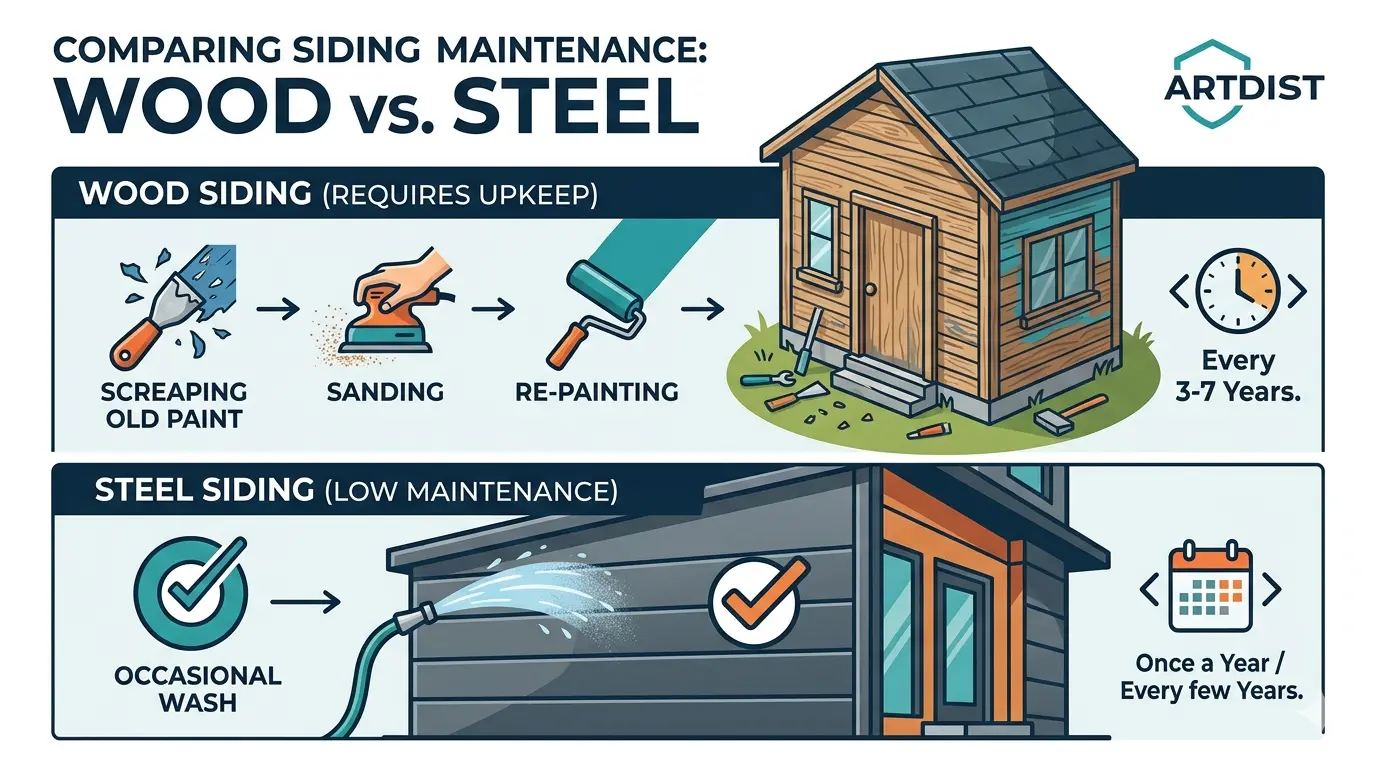
- Why it matters: It is 2 to 4 times more rust-resistant than regular galvanized steel.
- Coastal Protection: This coating is a must-have if you live near the salty air of the Atlantic.
- Durability: It stays strong even when temperatures drop to -40°C.
Custom-Engineered Precision
We don’t sell “off-the-shelf” kits. Every building is tailored to your exact GPS coordinates. This ensures your steel panels and bolts are thick enough to meet your local weather demands.
Plus, because the arch is self-supporting, you get a Clear-Span interior. This means no pillars or columns are in your way. You get 100% usable space for your trucks, hay, or workshop.
Built for the Maritimes: Facing the Atlantic Gale
If you live in Nova Scotia, New Brunswick, or Newfoundland, you know the power of an Atlantic gale. These storms bring more than just rain and snow. They bring high-velocity winds that can push a building to its limit.
The Double Threat
In the Maritimes, you often deal with a “double threat.” This is when heavy, freezing rain is immediately followed by high winds. The ice adds weight to the roof, while the wind tries to push the building sideways.
Our engineering accounts for these Lateral Loads. We design every arch to act like a sail that can handle the pressure. We ensure the building stays anchored firmly, no matter how hard the wind blows.
Corrosion Resistance
Living near the ocean means dealing with salt in the air. Salt is the enemy of metal. It can eat through cheap steel in just a few years.
This is why we use Galvalume coatings. As we mentioned, this aluminum-zinc mix is built for coastal life. It creates a “shield” that prevents rust from starting. Even if the steel gets a small scratch, the coating helps heal the area. This keeps your building looking new for decades.
Foundation Integrity
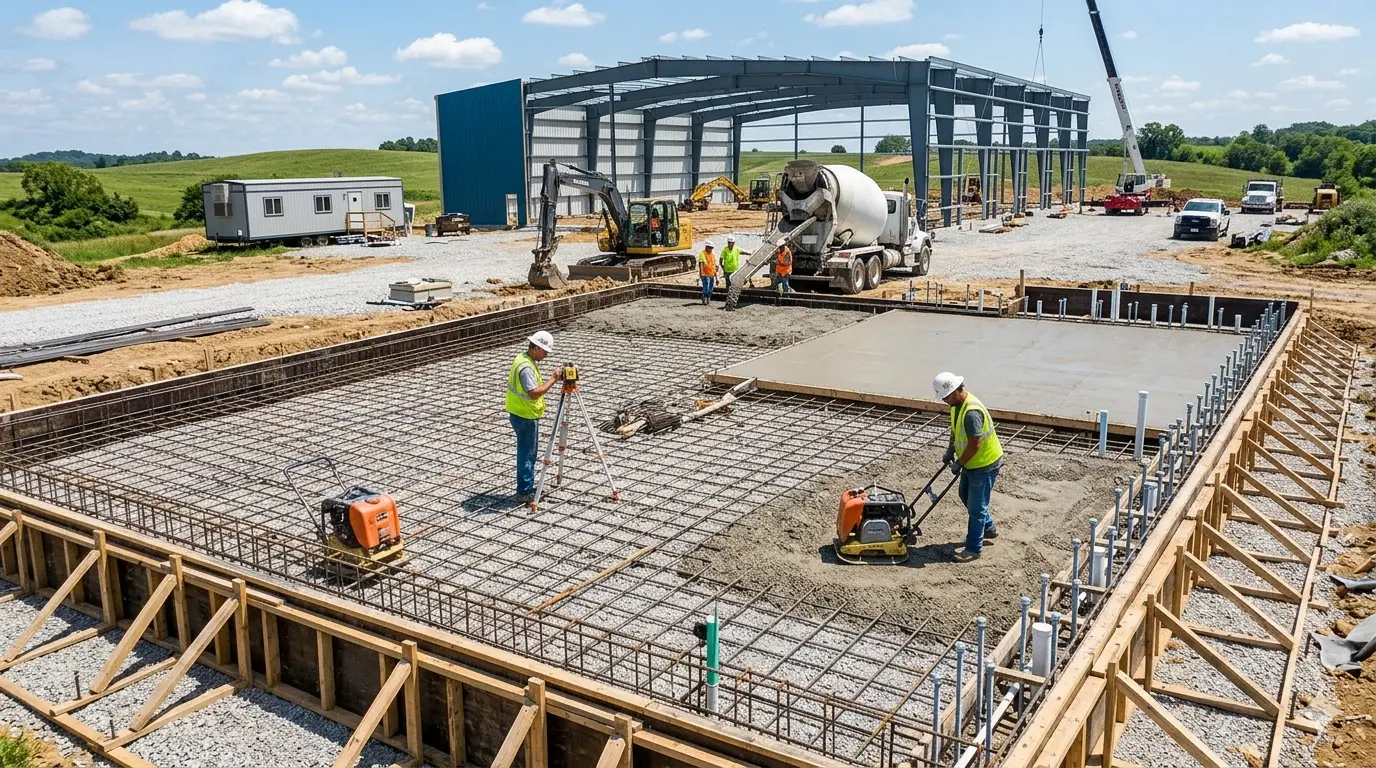
The ground in Eastern Canada is unique. It freezes deep in the winter and thaws in the spring. This is called Frost Heave. If your foundation is too shallow, the moving ground can crack your floor or shift your walls.
We recommend two main ways to protect your building:
- Deep Footings: Placing concrete below the “frost line” so the ground doesn’t move it.
- Floating Slabs: Using an insulated slab that moves with the earth without cracking.
From Blueprint to Blizzard: Your Journey with Metal Pro
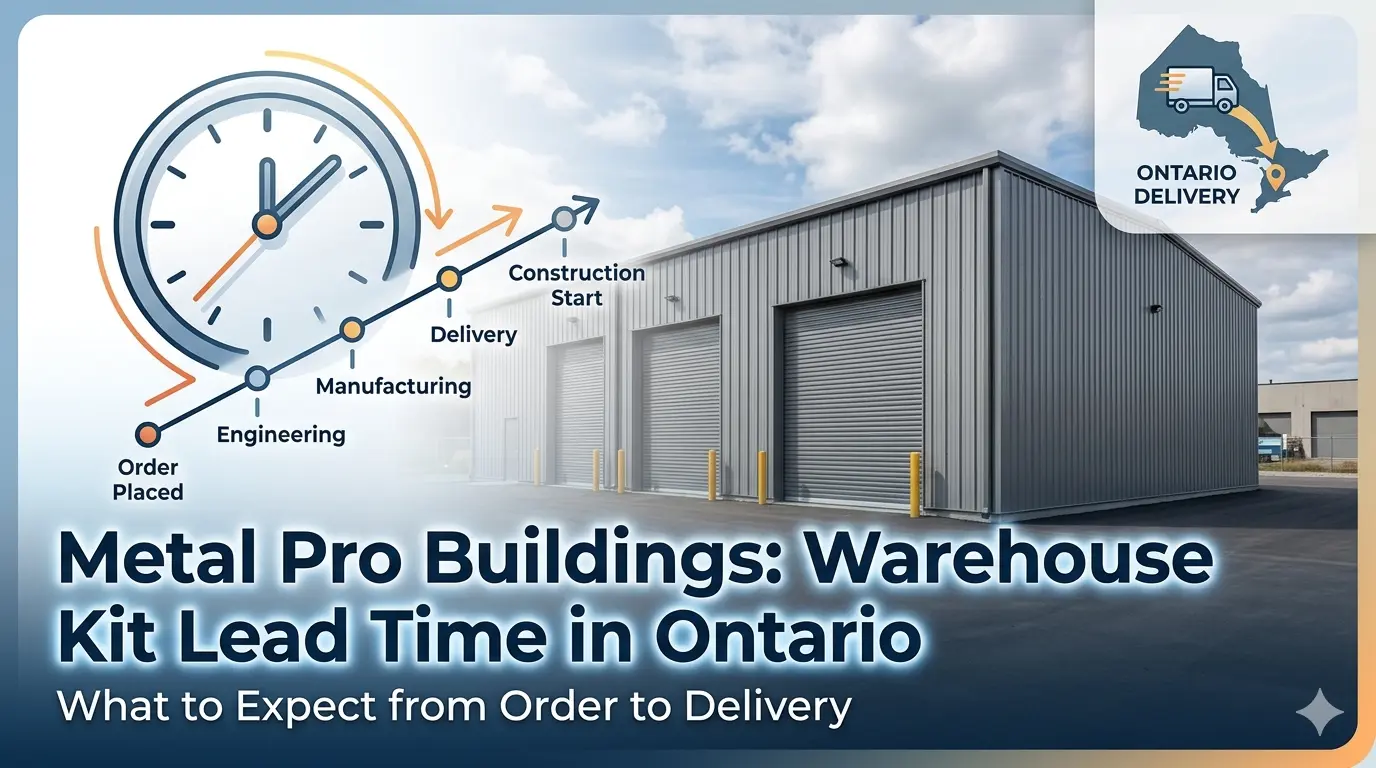
Building in the North can be a logistics challenge. We make it simple by following a clear, four-step process designed for the Canadian climate.
The Consultation
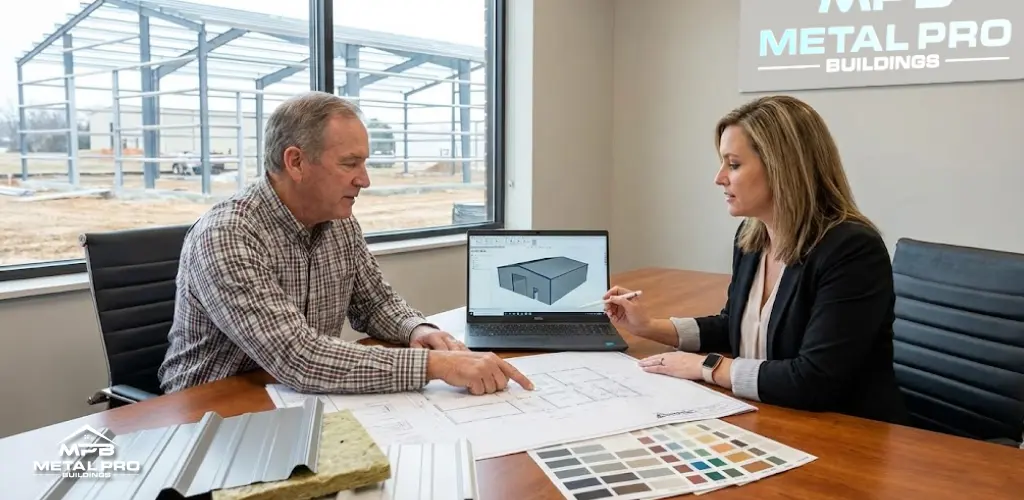
We don’t start with a sales pitch. We start with your location. Our team looks at the weather history of your specific town. Whether you are in Saguenay or Moncton, we ensure the building is rated for your local “Storm of the Century.”
DIY or Professional Install
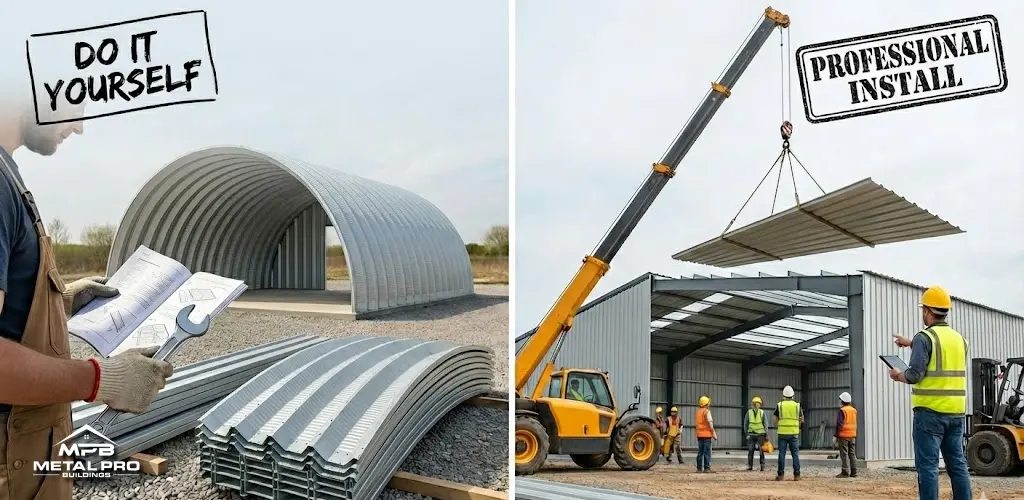
Our buildings arrive as precision-engineered kits.
- The DIY Route: Most of our customers choose to build themselves. Because the panels are pre-cut and pre-drilled, you only need basic tools and a few friends. This is a great way to save money, especially in remote areas.
- Professional Help: If you prefer, we can help you find a local contractor to handle the heavy lifting. Either way, you get a building that fits together perfectly.
The “Sleep Better” Guarantee
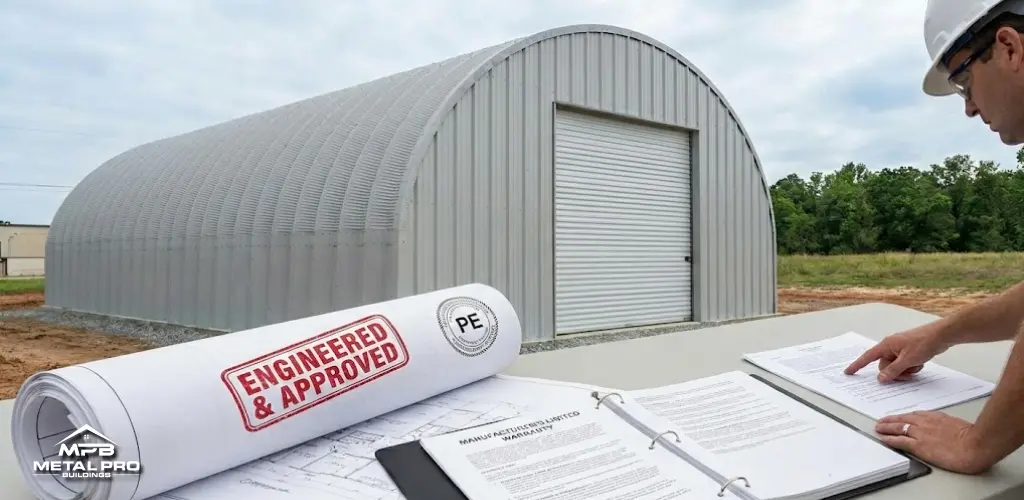
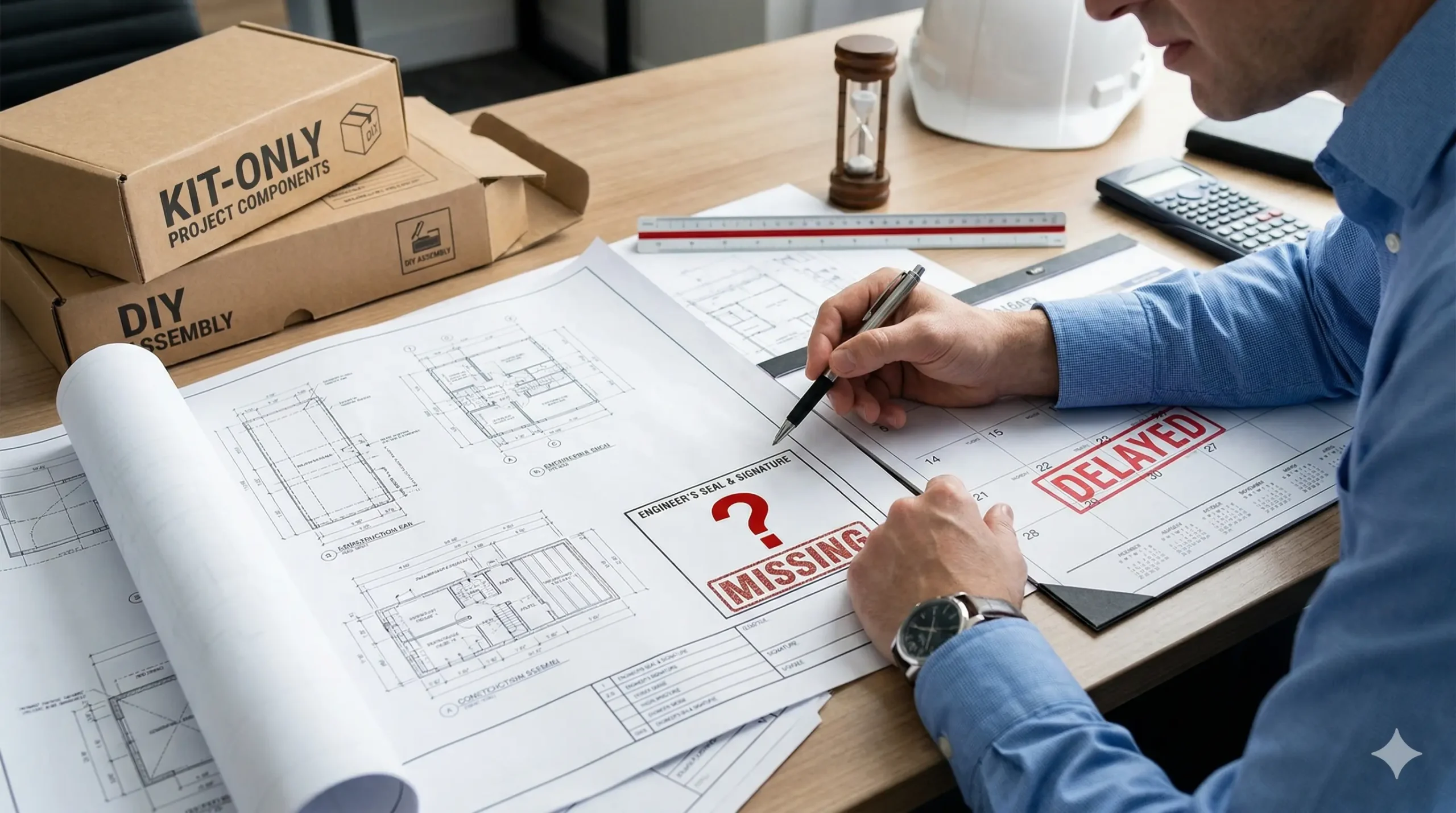
We provide three sets of stamped engineered drawings. These are official documents signed by a Canadian engineer. They prove to your local permit office and your insurance company that the building is safe.
Plus, every building comes with a 50-year rust perforation warranty. When the wind is howling at midnight, you can sleep soundly knowing your assets are protected by the best steel in the business.
Conclusion: Don’t Just Build for Today , Build for the Extremes
In Northern Quebec and the Maritimes, “good enough” isn’t enough. A standard building might last a few winters, but the North always tests its limits.
Choosing a specialized steel building is more than just buying a structure. It is an investment in your peace of mind. By using the Quonset arch and Galvalume steel, you are choosing a building that masters its environment.
You aren’t just meeting the building code; you are exceeding it. You are protecting your tools, your animals, and your hard work for decades to come. Don’t let the next blizzard catch you off guard. Build for the extremes, and you will never have to worry about the weight of winter again.
Plan Your Build with Confidence
Building in the North shouldn’t involve guesswork. Before you start, you need to know the specific weather requirements for your land.
Our experts are here to help you navigate the National Building Code (NBCC) and local snow loads, no pressure, just the facts.
Ask us about:
- Snow and wind ratings for your coordinates.
- The best foundation for your local frost line.
- Planning for Atlantic gales.
Consult with a Northern Engineering Specialist