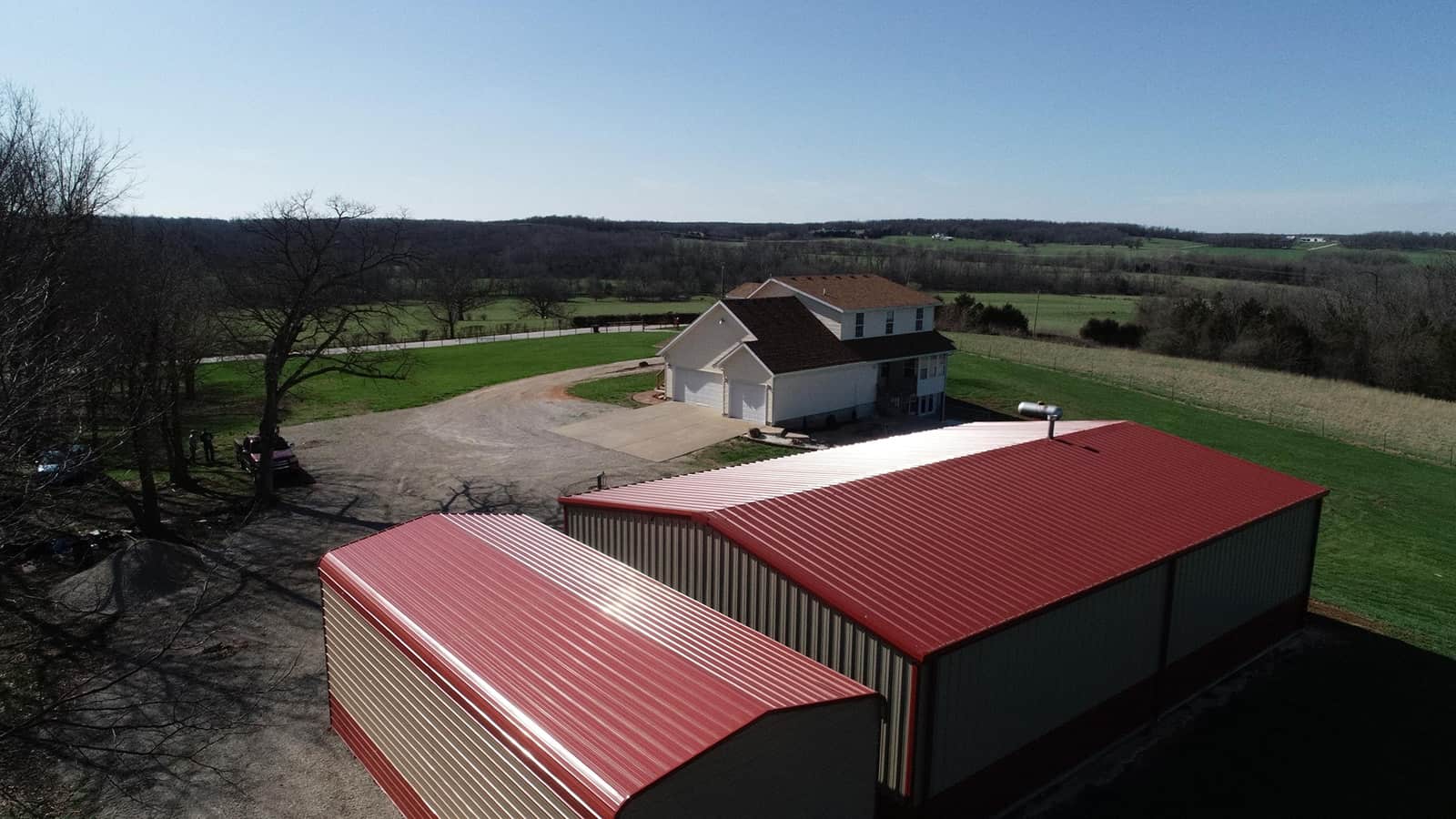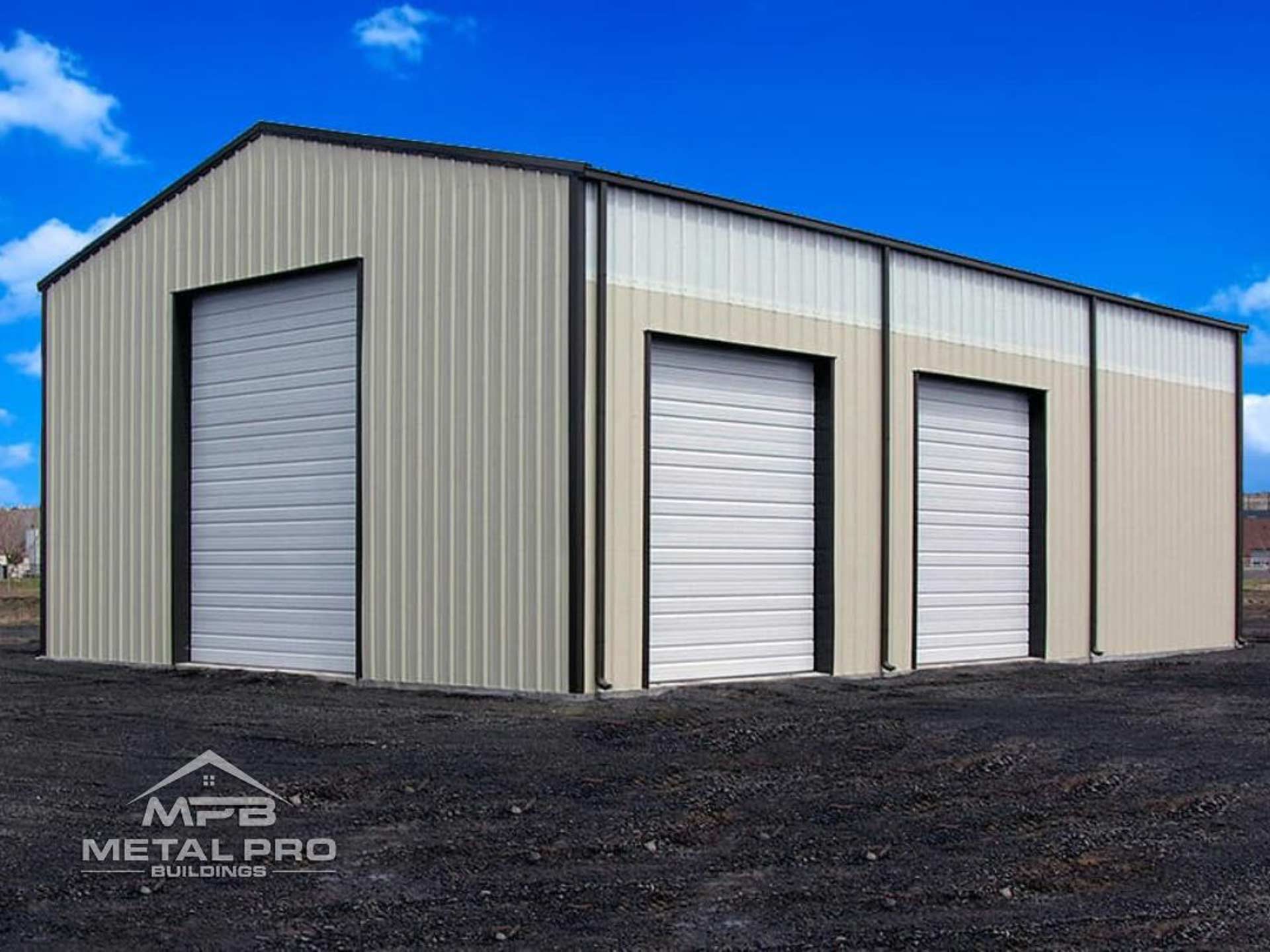

Canadian farm income fell to its lowest expense-to-receipt ratio since 2019 last year, and the financial pressure is reshaping how producers invest in on-farm infrastructure pushing pre-engineered steel buildings to the forefront of agricultural construction decisions in 2026.
Realized net farm income dropped to $8.3 billion in 2025 down from $9.4 billion in 2024 according to Statistics Canada data released May 27, 2026. Operating expenses outpaced cash receipts for the second consecutive year, lifting the expense-to-receipt ratio to 0.92. For producers weighing a new barn, equipment shelter, or grain storage facility, those pressures have elevated long-term building value over upfront cost as the primary consideration.
“Farmers are running sophisticated businesses now, and they expect their infrastructure to perform the same way their equipment does,” said Herbert Broderick, a CEO of Metal Pro Buildings . “A properly engineered steel building, maintained correctly, can serve a farm operation for 50 years or more , that lifecycle math looks very different when margins are this tight.”
Pre-engineered steel structures have moved to the centre of that calculation. Steel buildings resist rot, pests, and moisture damage that regularly compromise wood-frame agricultural construction across Canada’s range of climates from the freeze-thaw cycles of the Prairies to the salt-laden air of Atlantic Canada. Under the National Farm Building Code of Canada, agricultural structures must meet defined load requirements for snow, wind, and seismic activity standards that pre-engineered steel designs are specifically engineered to satisfy, often exceeding provincial minimums.
Federal trade policy has added another variable. The Government of Canada ended its temporary tariff remission on imported steel used in agricultural production on January 31, 2026, a measure introduced under Prime Minister Carney designed to direct more than $1 billion in new domestic demand toward Canadian steel producers. The change means farmers building in 2026 face higher costs for imported steel kits, while domestically sourced structures carry a comparative price advantage. The federal government also committed to cutting interprovincial railway freight rates for Canadian steel and lumber by 50 per cent beginning in spring 2026 a move expected to ease delivery costs for remote farming regions in Saskatchewan, Manitoba, and northern Ontario.
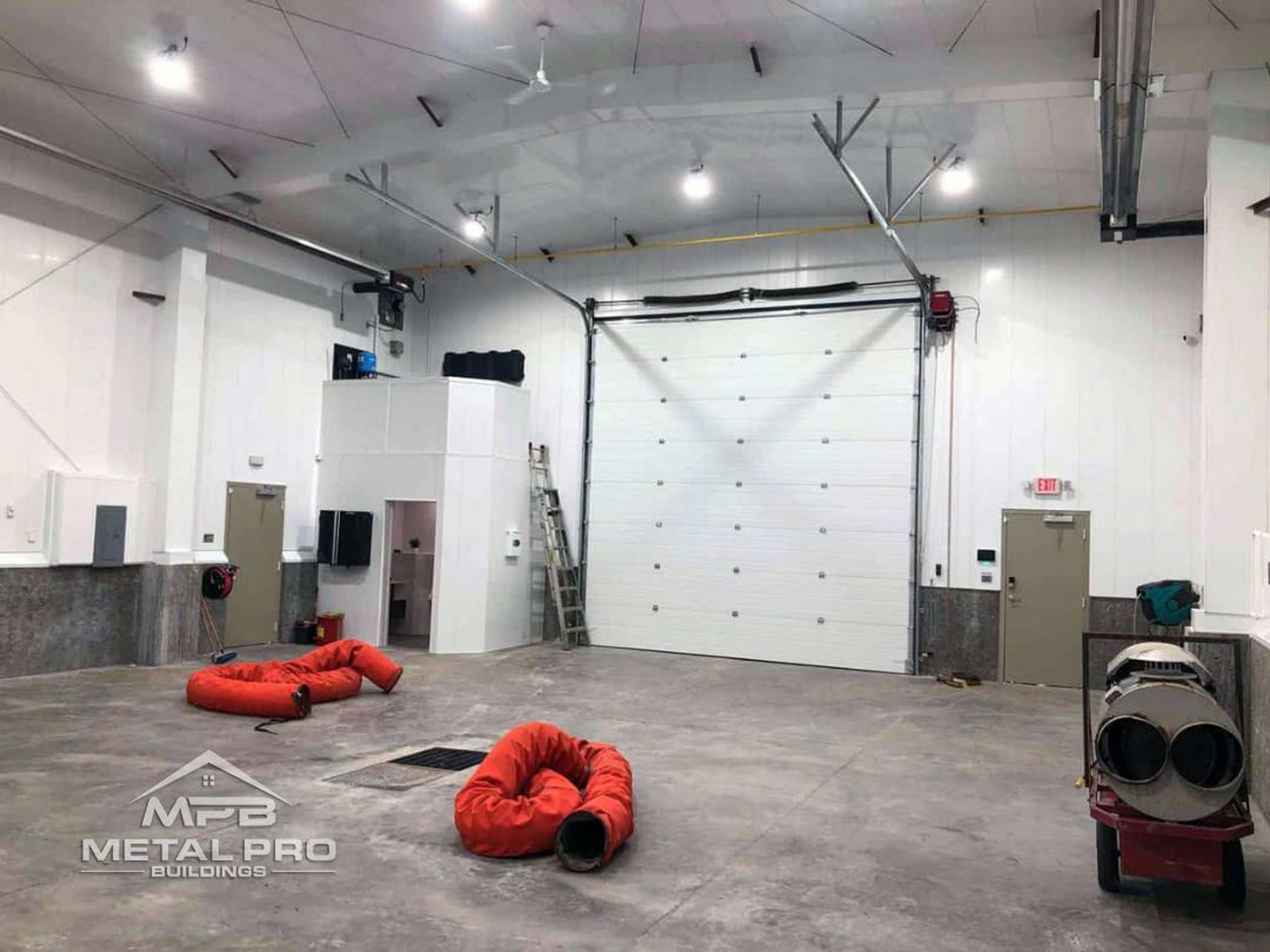
Despite the shifting trade environment, turnkey steel farm buildings in Canada currently range from approximately $100 to $180 CAD per square foot, depending on size, specifications, and regional load requirements. Clear-span interior designs which eliminate internal columns entirely remain the most in-demand configuration for equipment storage. Modern grain combines, large-frame tractors, and hay equipment require unobstructed bays spanning 18 to 30 metres, a span that conventional post-and-beam construction cannot efficiently provide. Steel I-beam structures deliver that clearance while conforming to National Building Code of Canada (NBC) 2025 standards for structural loads.
“We consistently see clients who deferred on a steel building for years and then lost thousands in equipment repairs from weather exposure,” Broderick said. “Once that happens, the lifecycle cost comparison is not close.”
The Building Construction Price Index rose 4.2 per cent year-over-year through Q3 2025, with structural steel framing among the top contributors. Even so, steel prices have remained more stable than softwood lumber, which continues to face episodic spikes of 10 to 20 per cent driven by mill capacity constraints and ongoing Canada-U.S. trade friction. That relative stability has made pre-engineered steel barns an increasingly predictable capital investment for farm operators planning multi-year infrastructure upgrades.
Financing options have expanded in parallel with demand. The Canadian Agricultural Loans Act (CALA) allows eligible producers to borrow up to $500,000 CAD for the construction or improvement of farm buildings, with the federal government guaranteeing up to 95 per cent of losses on qualifying loans. Farm Credit Canada (FCC) also provides tailored lending for building projects, and some provinces offer infrastructure grants tied to sustainability benchmarks, a factor relevant to steel, given that modern structural steel typically contains more than 80 per cent recycled content and is fully recyclable at end of life.
As tariff rules solidify around domestically sourced materials and farm income pressures continue into 2026, producers planning new or replacement structures are advised to obtain detailed engineering quotes that specify local snow and wind load classifications requirements that vary significantly between provinces and directly affect both design specifications and final project cost.