
You’ve Done the Research. Now a Supplier Is Trying to Sell You Something You Don’t Need.
You’ve got two quotes in front of you. Same building size, different frame types, different price tags, zero explanation.
One supplier quoted Cee-channel. Another quoted tube steel. The tube steel number is higher and the supplier made it sound like that’s just what serious buildings are made of.
In 80% of Canadian agricultural and light commercial applications, a properly engineered Cee-channel system outperforms tube steel on a cost-to-performance basis.
The expensive mistake isn’t always choosing the wrong frame. Often, it’s being sold structural capacity your building will never use.
This article gives you a plain-language breakdown of both frame types, what they are, where each one actually belongs, and why most Canadian buyers end up over-engineered and overcharged.
At Metal Pro Buildings, we’ve helped hundreds of Canadians cut through exactly this confusion. Let’s get you the same clarity.
The Problem Nobody in This Industry Wants to Admit
Most buyers assume the frame decision comes down to cost. It does but not in the way you think.
The steel building industry has a built-in bias toward tube steel. Margins are better. The spec looks impressive on paper. And it’s easy to justify a higher price when you’re talking about “superior structural integrity” without ever asking whether your project actually needs it.
The result? Buyers routinely end up paying for a frame rated for spans, loads, and conditions that have nothing to do with their project.
That’s over-engineering. And it’s one of the most common and costly mistakes in Canadian steel building purchases.
Over-engineering doesn’t just mean a higher invoice. It means money that could’ve gone into insulation, doors, electrical, or foundation is now locked up in steel sitting well above what your building will ever demand of it.
The honest question isn’t “which frame is stronger?” It’s: “Does my project actually need that strength or am I just being told it does?”
For the vast majority of agricultural storage, livestock buildings, light commercial facilities, and workshops across Canada, the answer is the same: no, you don’t need tube steel. You need a properly engineered Cee-channel system and the difference in cost is significant.
What Is a Cee-Channel Frame?
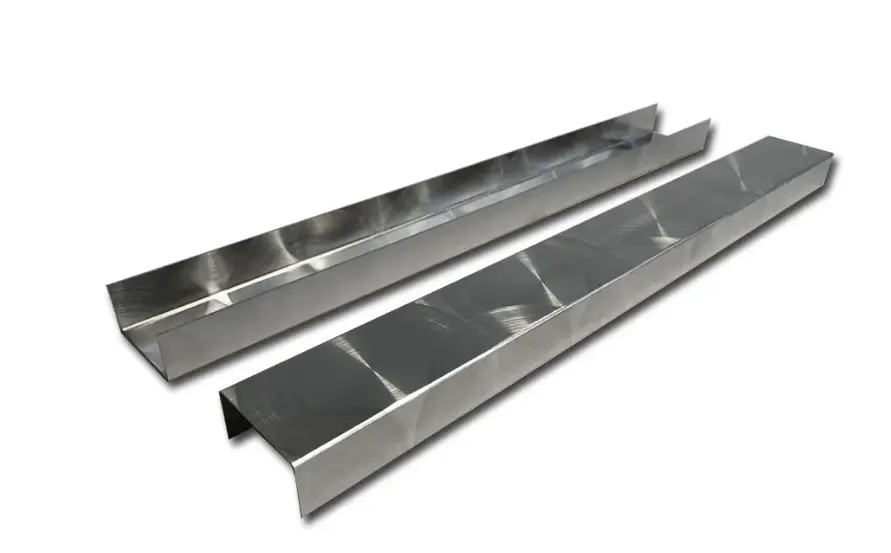
Picture the letter “C.” That’s the profile.
Cee-channel (also written C-channel) is cold-formed steel flat sheet steel shaped by running it through a series of rollers at room temperature. No heat, no welding. Just pressure and precision.
That manufacturing process keeps costs low. And because there’s less material and less labour involved, that saving flows directly to the buyer.
But lower cost doesn’t mean lower performance. For the applications it’s designed for, Cee-channel is the right tool engineered to spec, built to Canadian standards, and priced to make sense for real building budgets.
Where Cee-Channel Gets Used
Cee-channel is the proven frame for:
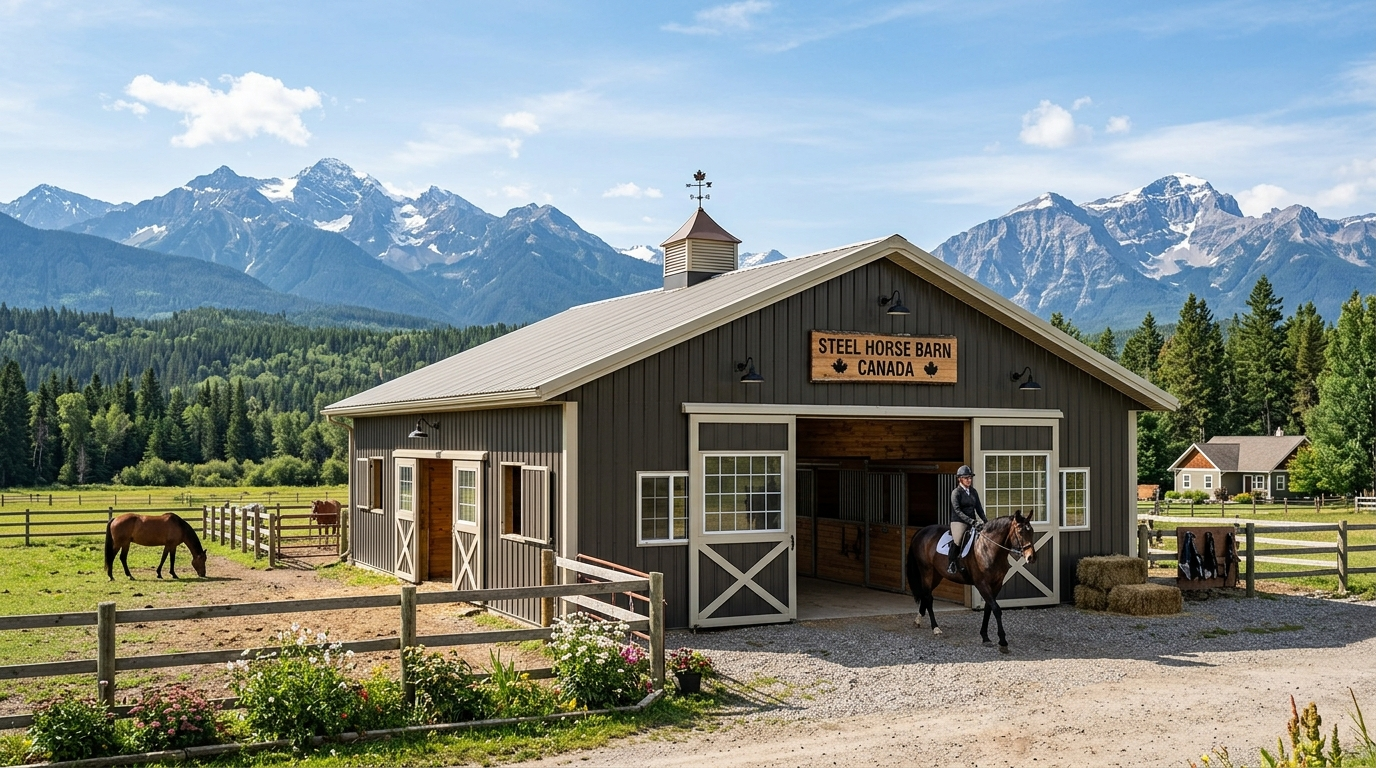
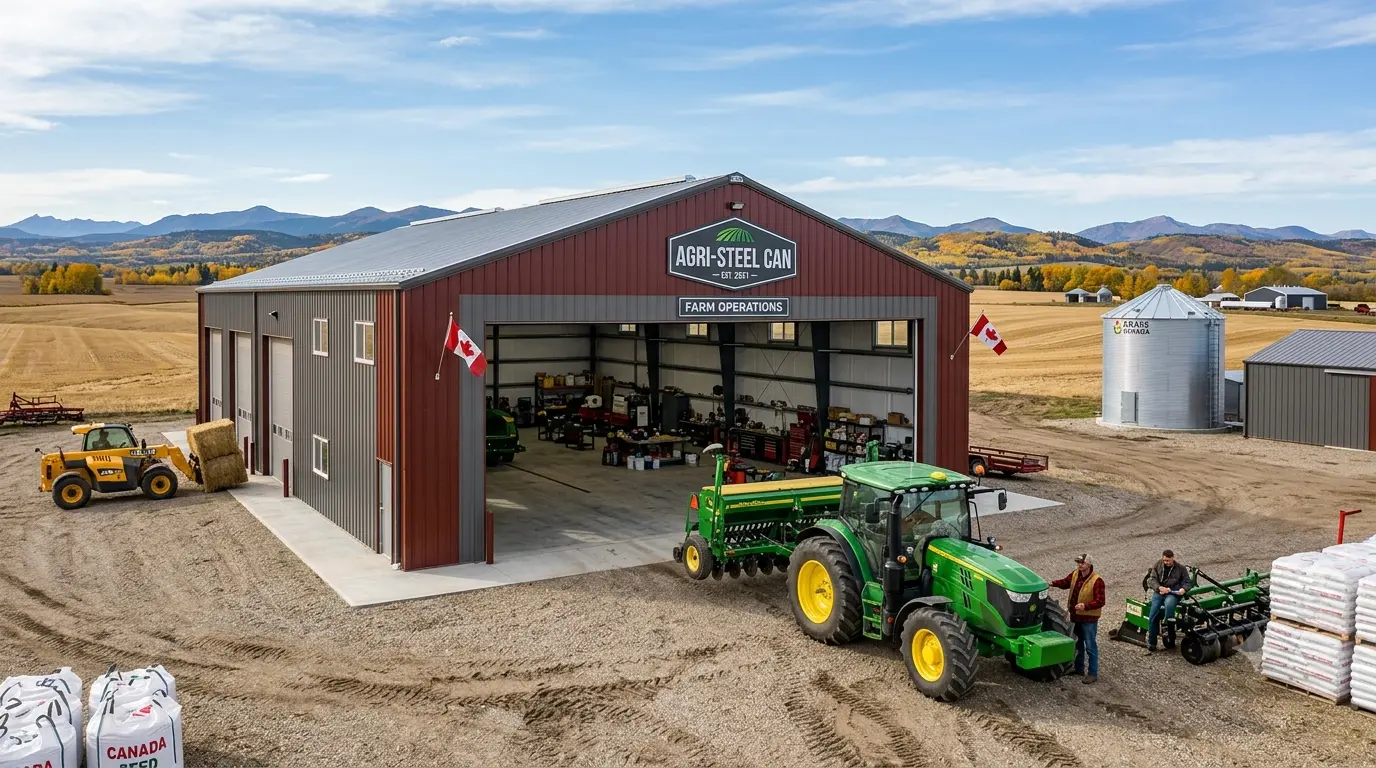
- Agricultural storage sheds and barns
- Livestock shelters and handling facilities
- Small to mid-size equipment storage
- Farm workshops and garages
- Hobby-farm and rural residential buildings
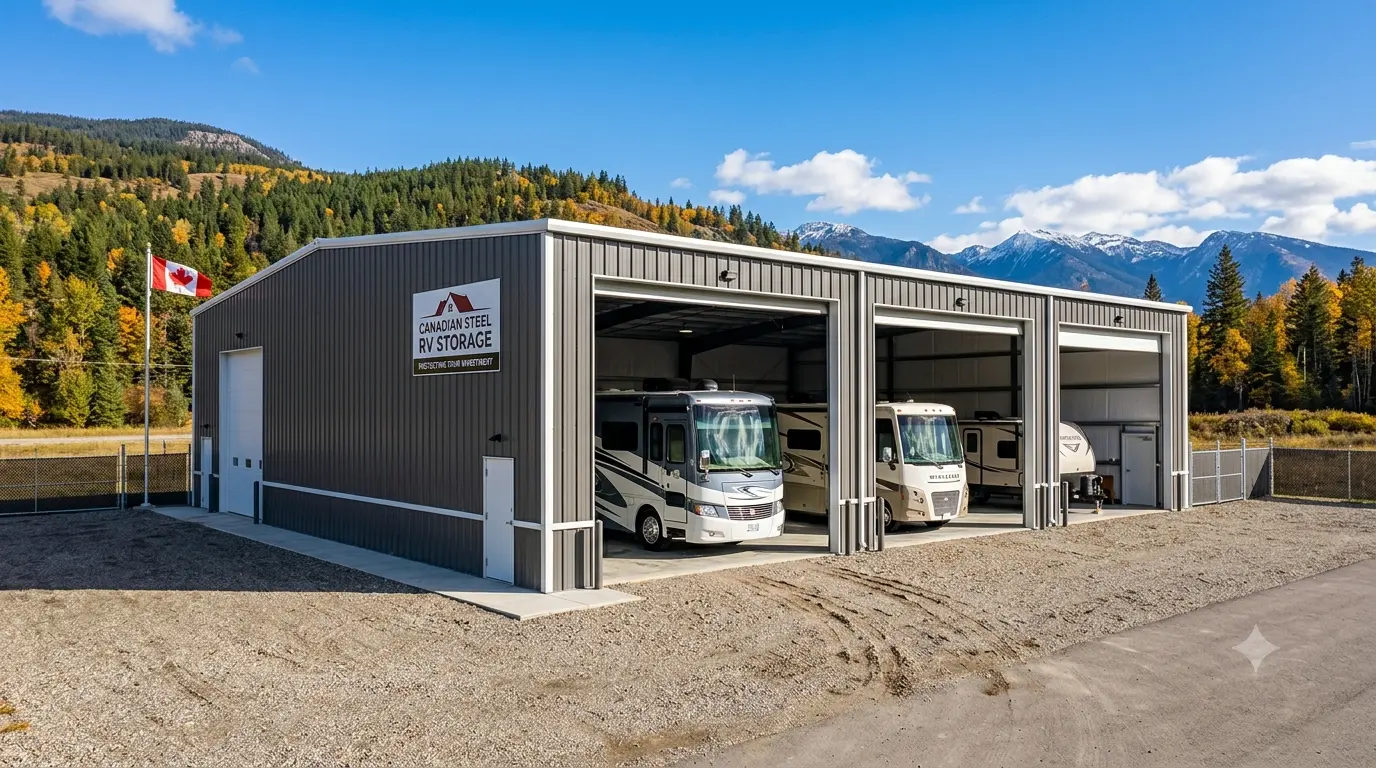
- Light commercial storage and service buildings
If your project falls into any of these categories, Cee-channel isn’t a compromise. It’s the correct engineering choice.
What Cee-Channel Does Well
Cost-performance ratio. For agricultural and light commercial builds, Cee-channel delivers everything the structure requires at 20 to 40% less than equivalent tube steel framing. That gap is real money.
Lighter weight, faster build. Less steel means easier handling, quicker erection, and lower labour costs. On straightforward builds, this advantage compounds. You save on the frame, on the crew time, and often on the foundation requirements too.
Engineered for the application. Cee-channel isn’t under-built, it’s right-sized. When your building doesn’t need to carry extreme loads or clear massive spans, a Cee-channel frame gives you exactly what the project demands. Nothing more. Nothing less.
Flexibility for customization. Lower base cost means more room in the budget for the things that affect daily usability: insulation values, door sizes, ventilation, electrical rough-in.
Where Cee-Channel Has Limits
Cee-channel is not the right frame for every build. Here’s where the limits are.
Very large clear spans : generally past 80 to 100 feet push beyond where cold-formed Cee-channel works most efficiently.
Extreme load environments : heavy industrial use, overhead crane systems, or commercial occupancy with significant live loads belong in a different structural category.
High-profile commercial interiors : where the finished look of the frame is part of the product may warrant a different approach.
If your project genuinely falls into one of those categories, we’ll tell you. But for most Canadian buyers, it doesn’t.
What Is Tube Steel And Why Is It So Often the Wrong Answer?
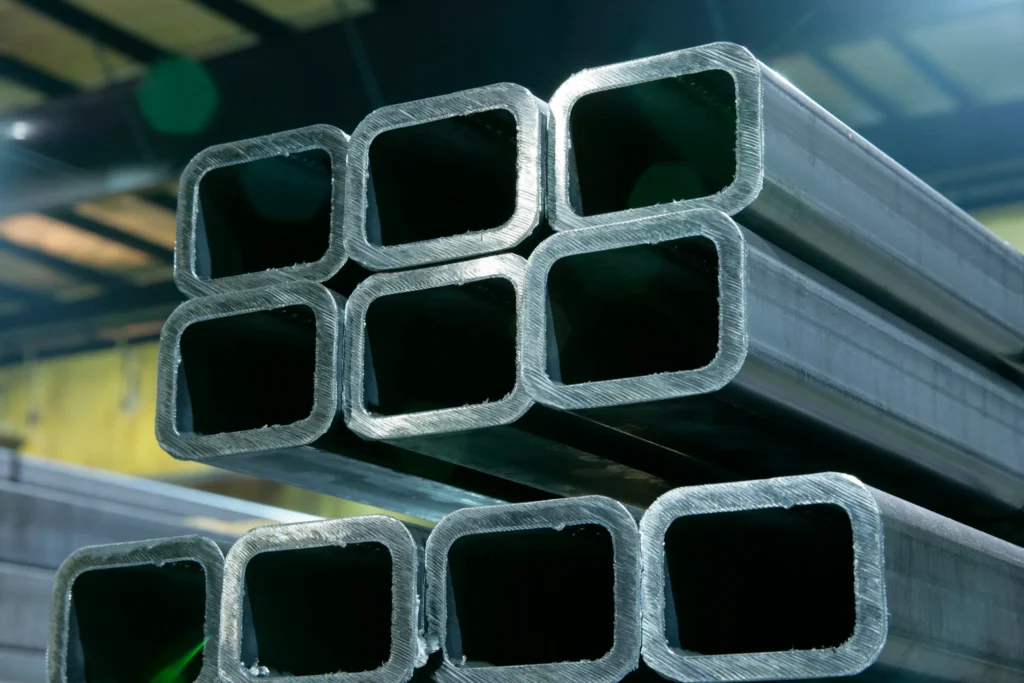
Tube steel (also called HSS , Hollow Structural Section) is a fully closed steel profile: a hollow rectangle or square welded into a sealed section. It’s heavier, more expensive to fabricate, and slower to erect than Cee-channel. If you’re also weighing other structural options, this box beam vs I-beam comparison helps clarify where each beam type fits before you commit.
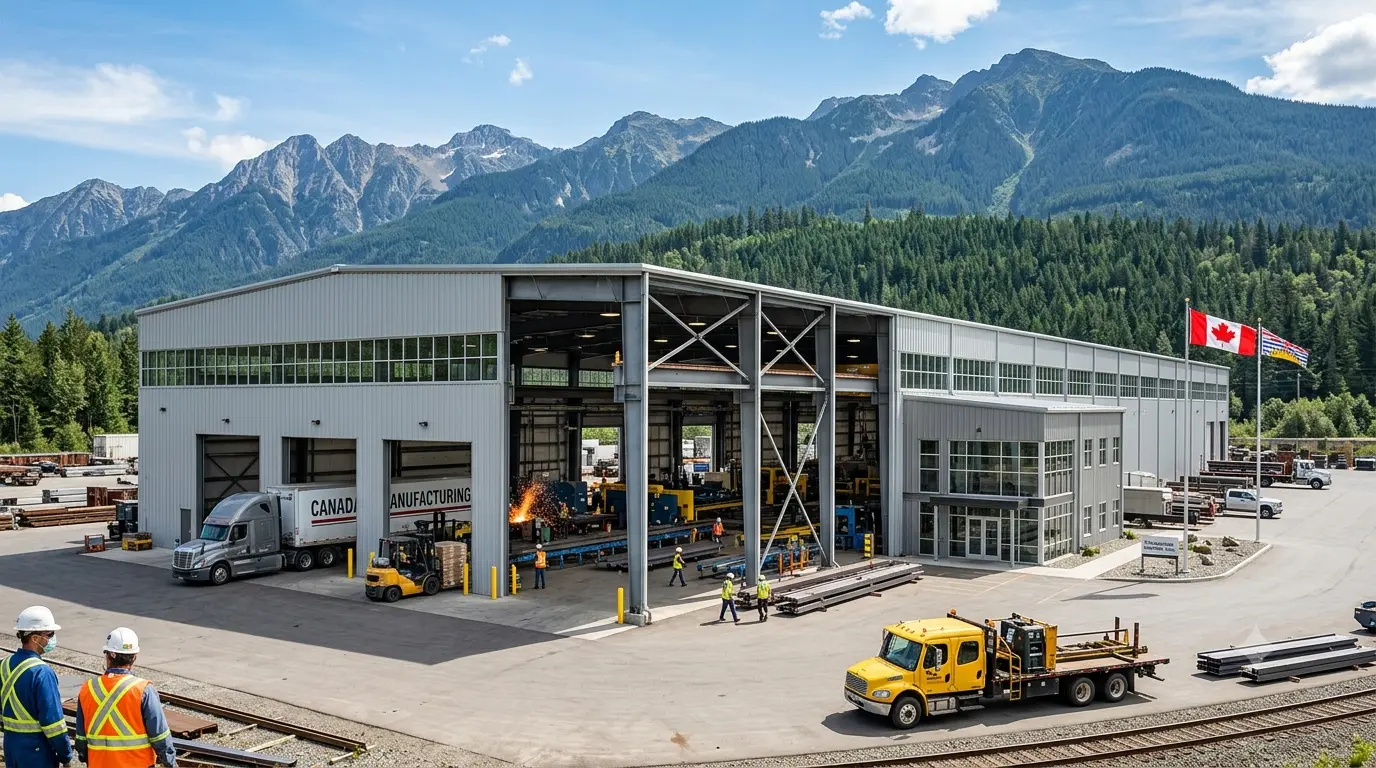
It’s also genuinely the right frame for specific, high-demand applications: large industrial warehouses, wide commercial clear-spans, facilities with overhead cranes, structures under heavy public occupancy loads.
The problem isn’t tube steel itself. The problem is how often it gets specified for projects that don’t come close to requiring it.
A hay storage building. A cattle handling shed. A 40×60 workshop. A light commercial storage unit. These buildings get quoted with tube steel framing every day and the buyers who accept those quotes pay a significant premium for structural capacity that will sit completely unused for the life of the building.
The Real Cost of Over-Engineering
When a supplier specs tube steel for a project that doesn’t need it, here’s what actually happens:
- You pay more for the frame ,often 20 to 40% more than an equivalent Cee-channel system
- You pay more for the foundation heavier frames put more load on the ground
- You pay more for erection heavier steel takes longer to put up and requires more equipment
And at the end of it, you have a building that performs exactly the same as the Cee-channel version would have. Same function. Same lifespan. Same weather performance. Just a significantly larger invoice.
The extra steel doesn’t add years to your building. It adds dollars to your bill.
The Side-by-Side Breakdown
| Factor | Cee-Channel | Tube Steel (HSS) |
| Upfront Cost | Lower , typically 20–40% less | Higher |
| Clear Span Range | Efficient up to ~80 ft | Required only past very large spans |
| Snow Load Performance | Excellent when engineered correctly | Excellent , but rarely needed for typical builds |
| Wind Resistance | Strong for ag. and light commercial | Superior , but beyond what most builds require |
| Member Weight | Lighter — easier to handle and erect | Heavier , adds to foundation and labour cost |
| Erection Time | Faster | Slower |
| Best Use Case | Agricultural, light commercial, workshops | Heavy industrial, large commercial, crane systems |
| Risk of Over-Engineering | Low | High , frequently misapplied to simple builds |
| Cost-to-Performance Ratio | High for 80% of Canadian applications | Low when applied outside genuine need |
What the Table Means in Plain Language
For most Canadian builds, Cee-channel wins on every metric that matters: cost, erection speed, foundation load, and cost-to-performance ratio. Tube steel only pulls ahead in categories that genuinely don’t apply to the majority of agricultural and light commercial projects.
If you’re being quoted tube steel for a farm building, a workshop, or light storage , ask your supplier to justify why your project requires it. If the answer is vague, you’re probably being over-engineered.
“Which Frame Is Right For My Project?” , The Honest Decision Guide
For most people reading this, the answer is already clear. But let’s walk through the common scenarios.
You’re Building for Agriculture
Cee-channel is the right frame for the overwhelming majority of Canadian farm builds.
Hay storage. Grain storage. Livestock shelters. Equipment sheds. Calving barns. These structures don’t require the structural depth of tube steel and any supplier telling you otherwise is either misinformed or upselling you.
A properly engineered Cee-channel building handles Canadian agricultural loads, Canadian snow accumulation, and Canadian wind exposure. It does it reliably, for decades, at a fraction of the tube steel price.
At Metal Pro, this is the most common conversation we have and the answer is almost always the same. Get the Cee-channel building. Put the savings into what actually affects your operation.
You’re Building a Workshop, Garage, or Rural Commercial Space
Same answer. Cee-channel.
Spans under 80 feet, standard floor loads, no overhead crane systems , this is exactly what Cee-channel is designed for. The idea that you need tube steel for a well-built workshop or commercial storage unit is a sales narrative, not an engineering requirement.
You’re Working With a Tight Budget
Cee-channel gives you the most building per dollar. Full stop.
“Tight budget” doesn’t mean cutting corners , it means spending where it matters. A properly engineered Cee-channel frame isn’t a budget option. It’s the right option that also happens to cost less than an over-specified alternative.
You’re Building in a High-Snow or High-Wind Zone
This is where buyers most often get steered toward tube steel unnecessarily.
The pitch sounds reasonable: “You’re in a tough climate, you need a tougher frame.” But that’s not how engineering works. A properly engineered Cee-channel building is designed specifically for your site’s snow load zone and wind pressure requirements. The engineering accounts for your location , it doesn’t default to overkill because the weather is hard.
Every Metal Pro building is engineered to Canadian standards for the actual climate it will live in. Prairie winds, BC mountain snow, Ontario freeze-thaw , these are inputs to the engineering, not reasons to upcharge you for steel you don’t need.
You Need a Large Clear Span or Heavy Industrial Facility
If you’re building something that genuinely requires tube steel, large industrial clear-spans, crane systems, and heavy commercial occupancy, we’ll tell you that too. Metal Pro doesn’t push product that doesn’t fit.
But that scenario applies to a small fraction of the builds we’re asked about. For most Canadian buyers, it’s not their situation.
The Canadian Factor Why This Matters More Than U.S. Content Tells You
Most of the steel building comparison content online is American. American suppliers, American climate assumptions, American building codes. None of that maps directly onto a Canadian build.
The National Building Code of Canada sets different requirements than U.S. standards. Provincial and municipal authorities layer additional requirements on top. Snow load zones in Manitoba are not Arizona snow load zones. Wind pressure in Atlantic Canada is not Texas wind pressure.
Canada’s Building Environments Vary Dramatically
- British Columbia: heavy mountain snowpack, coastal wind exposure, seismic considerations
- Alberta: extreme temperature swings, high-velocity prairie winds, chinook pressure cycling
- Ontario and Quebec: heavy snow accumulation, freeze-thaw cycles that stress connections over time
- Atlantic Canada: coastal storm exposure, high humidity, sustained wind loads
Each environment has specific engineering inputs. The frame type isn’t what changes. The engineering is what changes.
What Metal Pro Does Differently
Every building Metal Pro designs is engineered to Canadian standards from the start , not adapted from a U.S. template, not a generic pre-engineered kit with a permit disclaimer.
Your province. Your snow load zone. Your wind exposure classification. Your site conditions. These are engineering inputs, not afterthoughts. That’s how Canadian building should work. It’s how we do it on every project.
How Metal Pro Approaches Every Frame Decision
We don’t start with our product. We start with your project.
Most suppliers lead with what they sell and work backwards to justify the fit. That approach serves their margins. It doesn’t always serve your building.
Site first. Where is this building going? What are the actual snow and wind load requirements for that location?
Use case next. What is this building for? What goes inside it? A structure is engineered around its purpose , not a default spec.
Span and load. What clear span do you actually need? What are the real load requirements for this project , not a worst-case theoretical scenario?
Budget honestly. We talk about the budget openly. The goal isn’t to find the cheapest option , it’s to find the right option at the best value. For most Canadian agricultural and light commercial builds, that’s Cee-channel.
Then we make a recommendation. With the reasoning behind it. So you understand exactly what you’re buying and why.
We don’t upsell. We don’t undersell. We match the frame to the project, engineer it to Canadian standards, and give you a building that performs for decades without paying for capacity you’ll never use.
You Came Here to Make the Right Decision. Here It Is.
Most buyers in your position accept the first quote that sounds authoritative. They get tube steel for a farm shed, pay 30% more than they needed to, and never know the difference.
You dug deeper. That already puts you ahead.
The frame that’s right for most Canadian agricultural and light commercial builds isn’t the most expensive one. It’s the one that’s properly engineered for your actual project: your span, your loads, your climate, your use case.
In 80% of Canadian applications, that’s Cee-channel. And the gap between what you pay for it and what you’d pay for an over-engineered alternative is money that belongs in your project, not in excess steel.
At Metal Pro, we’ll walk through your site, your span, your use case, and your budget. We’ll give you a clear answer backed by engineering, not a sales pitch.
Get Your Free Project Consultation , Talk to the Metal Pro team : no pressure, no jargon, just clarity.