
Demand for pre-engineered steel buildings is rising sharply across Canada as contractors, agricultural operators, and commercial developers respond to persistent labour shortages, tightening deadlines under the National Building Code of Canada (NBC), and the need for structures that can perform reliably in the country’s most demanding climate conditions.
Industry observers say the shift is most visible in non-residential construction, where steel framing systems are displacing traditional wood-frame builds on agricultural, warehouse, and industrial projects driven by faster assembly timelines and more predictable total project costs.
“Steel’s strength-to-weight ratio makes it one of the most efficient materials for large-span construction across Canada’s climate zones,” said Herbert Broderick, a CEO of Metal Pro . “When you factor in labour and schedule risk, steel systems consistently deliver a more controlled lifecycle cost than conventional framing.”
Labour Constraints Are Accelerating the Shift
Canada’s construction sector has faced mounting skilled-trade shortages since 2022, pressuring project teams to reduce on-site labour hours wherever possible. Pre-engineered steel systems manufactured off-site to precise specifications and assembled with smaller crews have emerged as a direct response to that constraint.
According to Statistics Canada data on non-residential construction inputs, structural steel and metal fabrication have remained among the strongest-performing segments of Canada’s building materials sector, particularly in warehouse and agricultural infrastructure. That trend has continued into 2025 as developers seek building systems that are less exposed to scheduling volatility.
Regional Climate Demands Drive Specification
From heavy snow loads in Alberta and Saskatchewan to coastal moisture exposure in British Columbia, steel structures engineered to Canadian regional standards offer builders a level of performance consistency that site-built alternatives often cannot match. Industry groups, including the Canadian Institute of Steel Construction (CISC), note that pre-engineered systems reduce on-site variability, which is critical for meeting NBC structural and energy performance requirements.
The National Building Code and the National Energy Code for Buildings (NECB) have also raised the bar on insulation values and load calculations requirements that modern steel building systems are designed to address through integrated engineering documentation, reducing the compliance burden on general contractors.
Fire Resistance Reshaping Insurance Conditions
Steel’s non-combustible classification is also influencing project economics in new ways. Unlike timber structures, steel does not burn, and several provincial insurers have adjusted underwriting conditions for non-combustible commercial and industrial buildings, lowering long-term risk costs for property owners.
“Fire classification is becoming a more active conversation at the planning stage , especially on agricultural and storage builds where the insurer’s position can meaningfully affect total project cost,” Broderick said.
Broader Use Cases Expand the Market
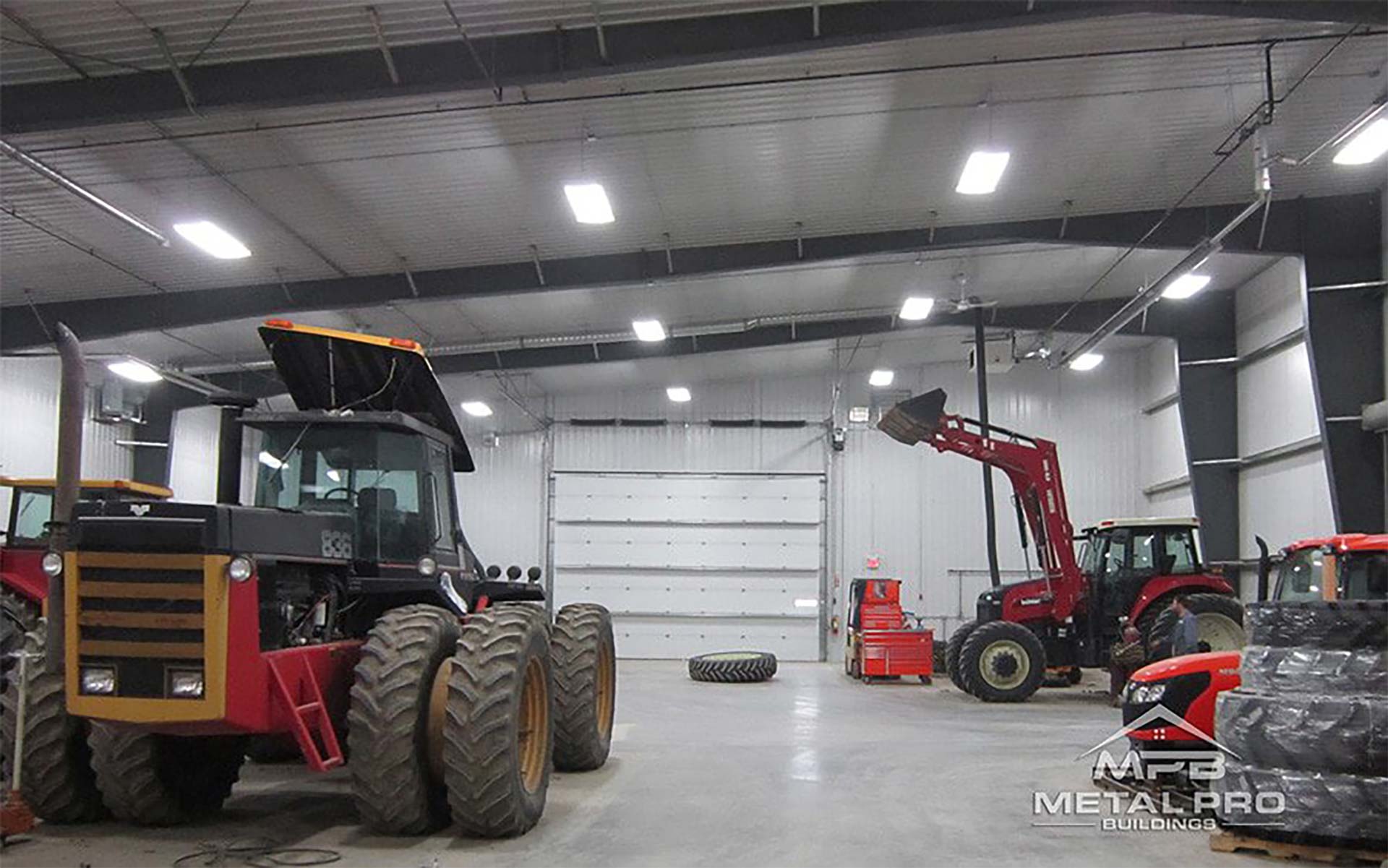
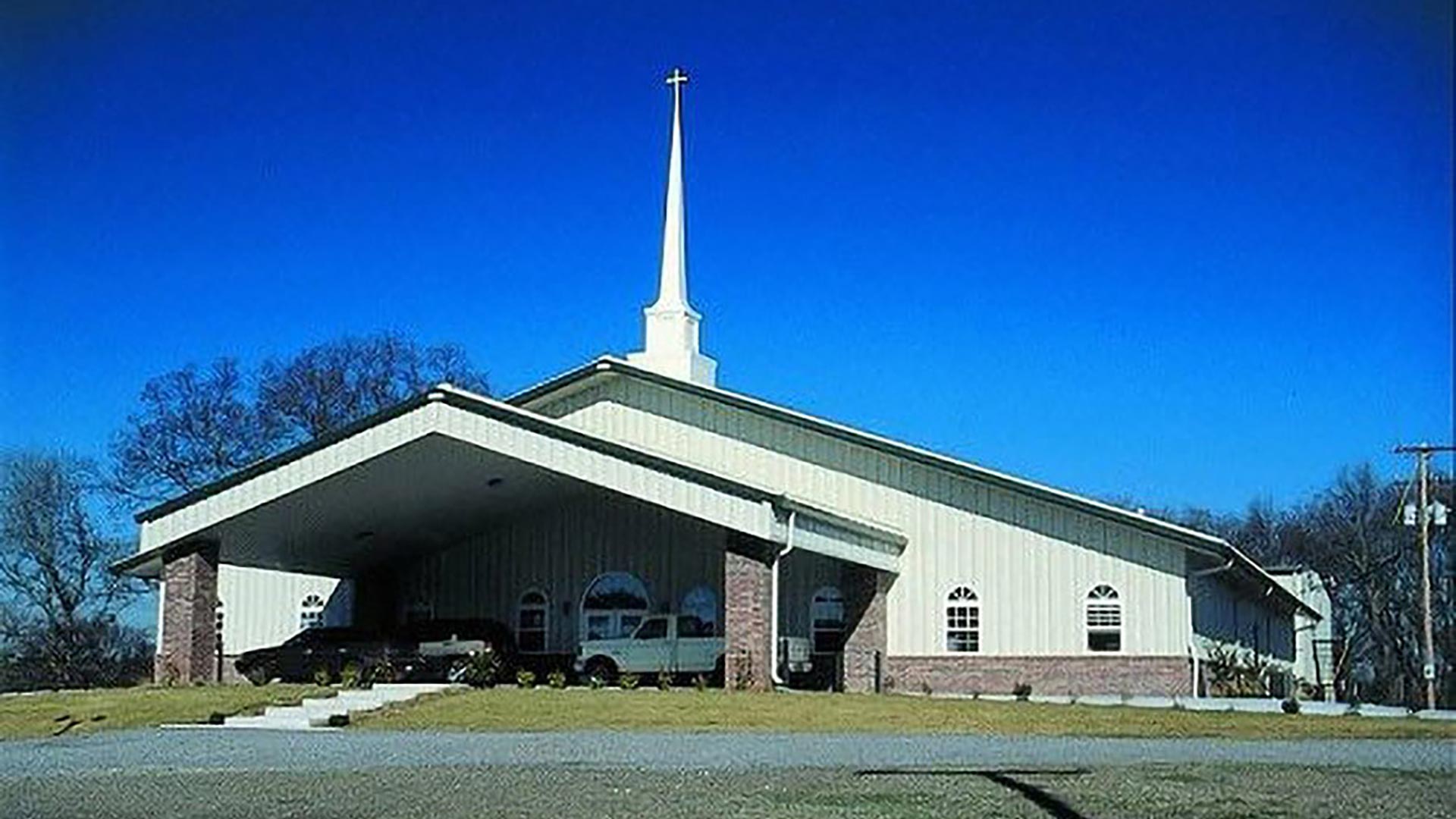
Historically concentrated in industrial zones, steel buildings have expanded into recreational, mixed-use, and residential applications as engineering capabilities have improved. Modern fabrication now enables wider clear spans, higher insulation integration, and greater architectural customization than earlier generations of metal structures , opening steel construction to a more diverse buyer base.
As Canada continues to grapple with climate variability, seasonal construction windows, and evolving national standards, steel building systems are positioned to account for a growing share of both urban and rural infrastructure delivery across every province.